How to Extend the Lifespan of Your Solar Lights Tips and Tricks?

Time:2026-08-02 Author:Mason
0%

Solar lights have become a popular choice for outdoor illumination. They are eco-friendly and cost-effective. However, many users face challenges regarding their longevity. This article addresses how to maintain solar lights for longer lifespan, ensuring you get the most from your investment.

Understanding the components of solar lights is key. Clean solar panels regularly to remove dirt and grime. This allows maximum sunlight absorption. Check batteries as well; they may need replacements after a couple of years. Frequent battery inspection can prevent unexpected outages.

Regular maintenance can make a significant difference. Position solar lights in areas with direct sunlight. Avoid placing them near taller structures or thick vegetation that might block sunlight. Inspecting for any damage will help catch issues early. This simple practice can extend the life of your solar lights significantly. Everyone makes mistakes, but learning from them can enhance your experience.
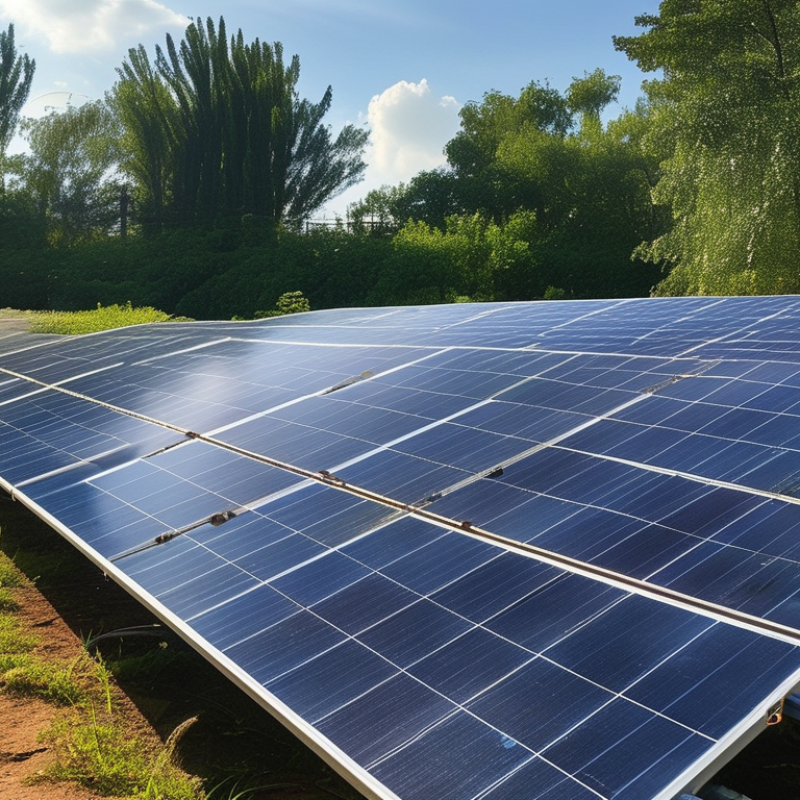
How to Extend the Lifespan of Your Solar Lights Tips and Tricks?

Understanding the Components of Solar Lights

When it comes to solar lights, understanding their components is essential. Solar lights typically consist of solar panels, batteries, LED bulbs, and controllers. The solar panel captures sunlight and converts it into energy. This energy charges the battery during the day, storing power for nighttime use. Without a quality solar panel, the entire system can underperform.

Batteries are another vital component. They come in various types, affecting longevity and performance. A good battery can store energy efficiently, ensuring brighter lights for longer. Regularly checking for corrosion or wear can prevent unexpected failures.

LED bulbs are energy-efficient, but they can also degrade over time. Inspecting them for dimness can help you determine when it’s time for replacements.

Understanding these components can lead to better maintenance of your solar lights. It’s annoying when lights fail unexpectedly. Regular checks and timely replacements can significantly enhance their lifespan. Investing time in these small tasks can save you money and keep your outdoor space illuminated. Each component plays a critical role, and neglect can lead to diminished performance. Knowing what to look for helps in avoiding potential pitfalls.

Regular Maintenance Practices for Solar Lights

Regular maintenance is crucial for extending the lifespan of your solar lights. Start by checking the solar panel for dirt or debris. Cleaning it with a soft cloth can enhance its efficiency. A clean panel absorbs more sunlight, which translates to brighter illumination at night. Don’t overlook the battery; it needs care too. Over time, batteries can degrade. Replacing old batteries can revitalize your lights and extend their life.

Additionally, inspect the light fixtures for any signs of damage. Cracks or loose parts can lead to malfunctions. Tightening screws or replacing broken components is a simple way to ensure longevity. Ensure that the lights are positioned where they get ample sunlight during the day. If they are shaded by trees or buildings, they won’t charge fully. This can lead to diminished performance and frustration over time.

Even with regular maintenance, issues may arise unexpectedly. Sometimes lights may flicker or not turn on at all, prompting a need for troubleshooting. It’s important to test each component when problems occur. Look for loose connections and ensure the solar panel is functioning. Reflecting on these maintenance practices can pave the way for better performance of your solar lights in the long run.

Optimal Placement for Maximum Sunlight Exposure

Optimal placement of solar lights is crucial for maximizing their efficiency. According to a study from the National Renewable Energy Laboratory, proper positioning can enhance solar absorption by up to 30%. Placing lights where they receive at least six hours of direct sunlight each day is ideal. South-facing areas tend to capture the most light, especially in the northern hemisphere.

When choosing a location, consider surrounding obstacles. Trees, buildings, or fences can cast shadows. Even partial shading may reduce the solar charge significantly. Studies show that solar lights in shaded areas can reduce brightness levels by up to 50%. Regular checks of the positioning are essential. Nature changes, and so do shadows throughout the seasons.

Be mindful of soil conditions too. A stable base can ensure that lights stay upright and functional. If the ground is too soft, the lights may tip over, causing potential damage. Evaluating and adjusting placements periodically is a smart practice. This attention to detail ensures that your solar lights remain effective over time.

How to Extend the Lifespan of Your Solar Lights Tips and Tricks? - Optimal Placement for Maximum Sunlight Exposure

Tip Description Optimal Placement Expected Lifespan Extension
Regular Cleaning Keep the solar panels free of dust and debris to enhance sunlight absorption. High places away from trees or buildings that obstruct sunlight. Up to 2 years longer.
Adjust Angle Adjust the angle of the solar panel towards the sun for optimal exposure. South-facing locations for maximum sunlight, especially in winter. 1 to 3 years longer.
Avoid Shade Place lights in areas where they won’t be shaded by trees or buildings. Open areas with full sun exposure throughout the day. Up to 3 years longer.
Use Seasonal Adjustments Reposition lights depending on the season to maximize sunlight. Move to areas with better sun exposure during winter months. 1 to 2 years longer.
Battery Maintenance Replace batteries regularly to ensure full charge capacity. Maintenance should be done every 1-2 years regardless of placement. 1 year longer.

Battery Care: Extending the Lifespan of Solar Light Batteries

Solar lights can brighten your outdoor space effectively, but their batteries need proper care. To ensure longer battery life, store them in a cool, dry place when not in use. Heat can damage performance significantly. Regularly check your batteries and clean terminals to prevent corrosion. It’s easy to overlook these details, yet they are critical for longevity.

Consider the type of batteries you use. Nickel-metal hydride (NiMH) batteries tend to last longer than alkaline ones. However, even NiMH batteries degrade over time and may require replacement. Keep an eye out for signs of wear, such as dimming lights or inconsistent performance. This can indicate that it’s time to change the battery.

Make it a routine to recharge your solar lights periodically. A lack of sunlight can reduce battery performance. Don’t hesitate to bring them out for direct sun exposure. Sometimes, we take this for granted and leave them in shaded areas. Adjusting their placement can make a significant difference. Notice how small changes affect effectiveness over time. It’s all about finding that balance for optimal performance.

Seasonal Adjustments to Enhance Solar Light Performance

Seasonal adjustments can significantly enhance the performance of solar lights. As seasons change, the amount of sunlight varies greatly. For example, the Department of Energy reports that solar energy conversion can drop by up to 50% in winter months due to shorter days and cloudier weather. To combat this, consider repositioning your solar lights. Make sure they are facing south and not obstructed by trees or buildings.

In colder months, cleaning the solar panels is essential. Dust and snow can accumulate and diminish their efficiency. A simple wipe with a damp cloth can increase light output by 20%. Additionally, it’s key to check battery health regularly. According to industry studies, batteries in solar lights typically last 1-3 years. Replacing older batteries can bring back the brightness in your lights.

Another tip involves seasonal storage. During harsh winter months, consider taking solar lights indoors to protect them from freezing temperatures. This may prolong their lifespan. However, many people overlook the need for seasonal care. Reflecting on your current practices can lead to better maintenance and brighter nights ahead. Regular adjustments and checks create a smarter long-term strategy for enjoying solar illumination year-round.

FAQS

: Why is regular maintenance important for solar lights?

: Regular maintenance extends the lifespan of solar lights and improves their performance.

How can I clean my solar panel?

Use a soft cloth to clean the solar panel. This helps it absorb sunlight more effectively.

What should I do if my solar lights flicker?

Check for loose connections and ensure the solar panel is functioning properly.

How does the season affect solar light performance?

Seasonal changes can reduce sunlight exposure, impacting solar energy conversion.

When should I replace the batteries in my solar lights?

Typically, batteries last between 1 to 3 years. Replacing old batteries revitalizes your lights.

Can I reposition my solar lights?

Yes, repositioning them to face south increases their sunlight exposure and charging potential.

What can I do during winter to protect my solar lights?

Consider bringing them indoors during harsh weather to protect against freezing temperatures.

Is cleaning the solar panel necessary in winter?

Yes, dust and snow can accumulate. Cleaning can boost light output by 20%.

How often should I inspect my solar lights?

Regular inspections help catch issues early, ensuring better functionality over time.

What are common mistakes in maintaining solar lights?

Many overlook seasonal adjustments. Reflecting on your practices can improve long-term performance.

Conclusion

To extend the lifespan of your solar lights, it’s essential to understand their components, which include solar panels, batteries, and LED fixtures. Regular maintenance practices, such as cleaning the solar panels and checking for debris, can significantly enhance their efficiency. Additionally, optimal placement in an area that receives maximum sunlight ensures that the batteries charge fully, boosting their performance.

Battery care is crucial in learning how to maintain solar lights for longer lifespan; it involves monitoring battery health and replacing them as needed. Seasonal adjustments, such as repositioning lights to accommodate changing sun angles or ensuring they remain clear of snow in winter, can further enhance performance. By implementing these tips and tricks, you can ensure that your solar lights remain functional and effective for many years.

Mason

Mason

Mason is a seasoned marketing professional with a deep expertise in the company's offerings and a passion for driving brand awareness. With a strong background in digital marketing strategies, he has an innate ability to connect with diverse audiences and effectively communicate product benefits.......