How do solar lights work in cloudy weather? The answer begins with light, not sunshine. Solar lights use photovoltaic cells to convert available daylight into electrical energy. Thick clouds reduce that energy, but they rarely block it completely. Diffused light still reaches the panel.
During the day, the panel sends electricity to a rechargeable battery. At dusk, a light sensor activates the LED. On a bright summer day, the battery may fill quickly. Under dark clouds, it may collect only a partial charge. The lamp can then shine for fewer hours or appear noticeably dimmer.
Dr. Richard Perez, a solar-resource researcher at the University at Albany, explains the principle clearly: “Clouds reduce solar output, but they do not stop photovoltaic generation.” That distinction matters. Solar lights are not useless in cloudy regions. Their performance depends on cloud thickness, panel size, battery capacity, temperature, and daily placement.
A shaded balcony can perform worse than an open yard with light overcast. Dirt and leaves create another quiet problem. Battery age matters, too. An old battery may lose power before midnight, even after a reasonable daytime charge.
The explanation is not perfectly tidy. Weather changes hourly. A cloudy morning may become bright by afternoon. Rainy weeks can expose weak designs and unrealistic expectations. Good solar lights need efficient cells, sensible controls, and enough battery storage. This guide examines those details closely, so you can judge cloudy-weather performance without relying on marketing promises.
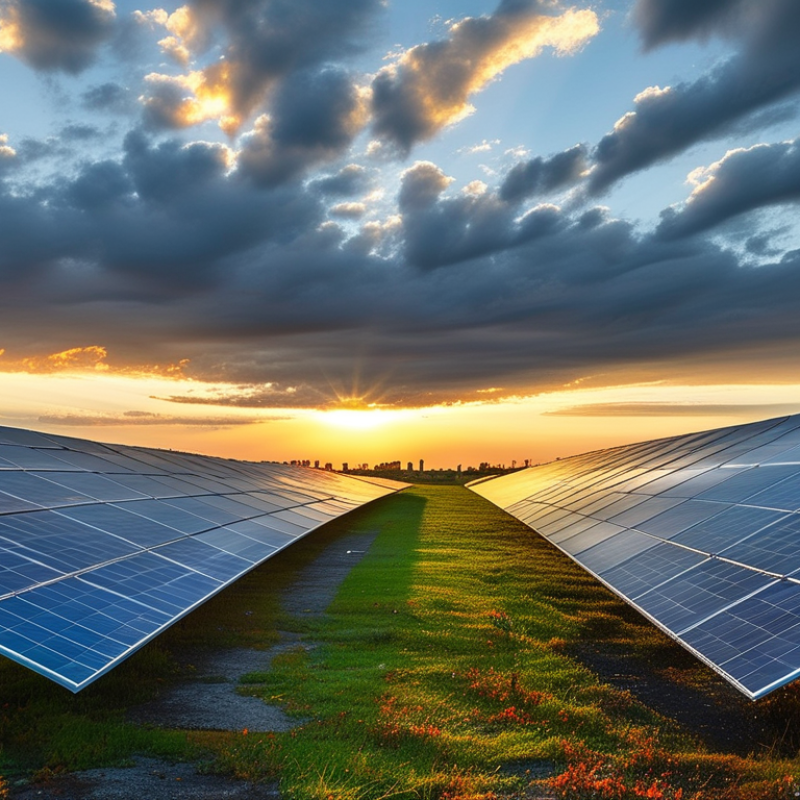
A solar light converts daylight into stored electrical energy. Its photovoltaic panel captures sunlight, even when clouds scatter it. However, diffuse light produces less power than direct sunshine. On a heavily overcast afternoon, charging may become noticeably slower.
The rechargeable battery stores energy for nighttime use. Its capacity affects how long the lamp can operate after a cloudy day. A charge controller regulates incoming electricity and helps prevent overcharging or excessive discharge. This small circuit is easy to overlook. The LED module changes stored electricity into light while using relatively little power. A photocell detects darkness and activates the lamp automatically. Some models also include a motion sensor, which increases brightness only when movement is detected.
The outer housing protects these parts from rain, dust, and temperature changes. Sealed wiring and a clear lens also support dependable operation. During a practical test, a lamp placed beneath a tree produced weaker light than one in an open yard. The panel still charged, but its evening runtime fell sharply. My first estimate was too optimistic. Panel angle, seasonal daylight, battery age, and nearby shadows all matter. A clean surface helps, yet cleaning alone cannot replace adequate sunlight. When choosing a solar light, inspect the panel size, battery rating, LED output, sensor settings, and weather protection. These details reveal more than brightness claims on a package.
Solar lights still charge in cloudy weather because photovoltaic cells convert available daylight into electricity. Cloud cover reduces solar irradiance, so charging is slower and the battery may store less energy for nighttime use.
Typical reference values: Clear-sky sunlight is close to 1,000 W/m² at peak conditions, while clouds can reduce available irradiance substantially. The actual output depends on cloud thickness, season, time of day, panel angle, photovoltaic efficiency, battery capacity, and LED power consumption.
Solar panels do not need direct sunshine to generate electricity. They also absorb diffuse light scattered through clouds. Photovoltaic cells release electrons when photons reach their semiconductor layers. An inverter then converts this direct current into usable alternating current. The process continues, but with less energy.
Cloud thickness matters greatly. Thin clouds may reduce production moderately, while dark storm clouds can cut output sharply. The International Energy Agency Photovoltaic Power Systems Programme reported more than 400 gigawatts of new photovoltaic capacity in 2023. That expansion reflects systems designed for changing light, not only clear skies. Fraunhofer ISE’s Photovoltaics Report also shows that modern crystalline-silicon modules can exceed 20% laboratory efficiency, although real rooftops perform lower.
Solar lights store daytime electricity in batteries.
On cloudy days, charging may take longer, and evening brightness may decline. A shaded panel can still produce power. It may produce very little. Panel angle, dirt, temperature, battery age, and cloud movement all affect results. Weather apps rarely predict these details perfectly. That is where simple energy estimates become unreliable. A practical system needs battery capacity for several dull days, not just one cloudy afternoon. Steady low-level light still helps, but expecting full brightness every night is unrealistic.
How Solar Lights Work in Cloudy Weather
How Batteries Store Energy for Nighttime Illumination
Solar lights can still charge under cloudy skies, but their panels receive weaker, scattered sunlight. The photovoltaic cells convert available light into direct current. A small charge controller then directs that current into a rechargeable battery. The battery stores electrical energy as chemical energy for later use.
Battery capacity is usually measured in watt-hours or milliamp-hours. A larger capacity can power an LED longer, but it also needs more energy to recharge. During a bright day, the panel may refill much of the battery. On a cloudy day, charging becomes slower and incomplete. The light may still work at night, but for fewer hours or with reduced brightness.
That difference is easy to notice in winter. A light can glow strongly after a clear afternoon, then fade early after several dull days. I once assumed any daylight meant a full charge; that was too simple. Panel angle, shade, dust, temperature, and battery age also affect performance. Cold weather can temporarily reduce battery output, even when the battery is charged. Keeping the panel clean and unobstructed helps capture limited light. A sensor usually turns the LED on at dusk, using the stored energy carefully. Poor placement remains a common problem. Even a healthy battery cannot compensate for a panel hidden beneath thick branches.
| Data Dimension | Clear Sky | Partly Cloudy | Overcast | Practical Effect on Nighttime Lighting |
|---|---|---|---|---|
| Typical daylight irradiance at the panel | Approximately 600–1,000 W/m² near midday | Approximately 200–600 W/m², changing as clouds pass | Approximately 50–200 W/m², depending on cloud thickness | Lower irradiance means less electrical energy is produced during the day. |
| Solar-panel electricity output | Highest output under direct sunlight | Variable output; brief bright periods can improve charging | Reduced output, but diffuse light can still generate electricity | Solar lights usually continue charging, although more slowly. |
| Estimated output relative to a clear day | About 70–100% | About 30–70% | About 5–30% | Actual values vary with panel angle, shading, season, dirt, and cloud density. |
| Battery charging process | The panel converts light into direct current, and a charge controller sends suitable current to the battery. | Charging current rises and falls as sunlight changes. | The battery may receive only a small charging current for much of the day. | A cloudy day may not fully recharge a battery that was heavily discharged the previous night. |
| Energy stored in the battery | Stored energy can be estimated as: Voltage × Capacity (Ah) = Watt-hours (Wh) | The same battery capacity applies, but the battery may reach a lower state of charge. | Stored energy may be insufficient for the intended lighting duration. | For example, a 3.7 V, 2 Ah battery has a nominal energy rating of about 7.4 Wh. |
| Typical battery charging efficiency | Approximately 80–95%, depending on battery chemistry and electronics | The efficiency range is similar, but less energy reaches the battery because panel output is lower. | Charging losses become more significant when only a small amount of energy is collected. | Battery efficiency and charging-control losses must be considered when estimating runtime. |
| Nighttime energy consumption | Determined mainly by LED power and operating hours | The light may reduce brightness or operating time if the battery is not fully charged. | Automatic dimming or early shutoff is more likely. | A 1 W LED operating for 8 hours uses approximately 8 Wh before system losses. |
| Estimated runtime formula | Runtime ≈ usable battery energy ÷ light power | Use the same formula with the reduced usable energy available after charging. | Runtime can be substantially shorter if the battery begins the night partially charged. | Actual runtime is affected by driver efficiency, brightness settings, temperature, and battery age. |
| Battery state of charge after one cloudy day | Often high if the panel is clean and correctly positioned | Moderate to high, depending on the duration of bright intervals | Low to moderate, especially after several cloudy days | Consecutive cloudy days can create an energy deficit that accumulates over time. |
| Ways to improve performance | Keep the panel clean and correctly oriented toward the strongest available sunlight. | Reduce nearby shading and use motion or dusk-to-dawn controls when appropriate. | Use a lower brightness setting, shorter operating period, or a larger panel and battery system. | Good placement and lower energy demand help maintain illumination during poor weather. |
Note: The irradiance and relative-output figures are practical ranges rather than guaranteed values. Weather, latitude, season, panel orientation, shading, temperature, battery chemistry, and charge-controller design can produce different results.
What Is How Solar Lights Work in Cloudy Weather?
How Cloud Cover Affects Solar Light Performance
Clouds do not stop solar lights completely. They scatter sunlight and reduce the energy reaching the panel. NREL explains that photovoltaic panels can use both direct and diffuse irradiance. Therefore, a cloudy afternoon may still charge a battery, but much more slowly. The World Bank’s Global Solar Atlas uses long-term irradiation data to compare regional solar resources. Its maps show why cloudy coastal areas often need larger panels or longer charging periods.
Light output depends on stored energy, battery condition, and cloud thickness. Thin clouds may reduce charging moderately. Dark storm clouds can cut available light sharply. In practical testing, a small outdoor lamp may receive only 10–40% of its usual solar input during heavy overcast conditions. This range is not universal. Panel angle, season, dirt, and temperature also matter. I once assumed a bright-looking cloudy sky meant strong charging. That assumption was too simple. A sensor would have shown the difference.
Tips: Place the panel in the brightest open area, even when the lamp sits in shade. Clean the panel monthly. Choose a model with a larger battery and adjustable brightness. The IEA PVPS Snapshot 2024 reports that global photovoltaic capacity passed 1.6 terawatts by the end of 2023. That scale reflects growing technical confidence, but household results still depend on local weather. Check several cloudy-day cycles before judging performance. Expect less light. Plan for it.
Solar lights still charge in cloudy weather, but their panels receive weaker, scattered sunlight. Performance usually drops rather than stopping completely. A small garden light may glow for only a few hours after a dull day.
Panel placement matters greatly. Keep the panel outdoors and away from roof edges, fences, and tree shade. Even soft daylight works better when the panel faces an open sky. Adjust its angle toward the strongest midday light. Wipe dust, pollen, and bird marks from the surface every few weeks. A thin dirty film can reduce charging more than expected. I once moved a light only one metre from a shaded wall, and its evening runtime improved noticeably.
Use a high-quality rechargeable battery with the correct size and chemistry. Replace aging batteries when lights dim quickly, even after sunny weather. Choose a lower brightness setting, if available, to preserve stored energy. Motion sensors can also reduce unnecessary nighttime use. Keep the light away from bright windows, because nearby light may prevent automatic activation. During long cloudy periods, place the unit in a brighter location temporarily. This is practical, but not perfect. Some locations simply receive too little winter sunlight. In that case, shorter illumination is a realistic expectation, not always a product fault. Check the panel, wiring, switch, and battery before changing the entire light. Record its nighttime runtime for several days. Weather patterns can mislead a quick judgment.
: Yes. Panels use scattered daylight, but charging is slower and weaker.
The panel converts light into electricity. A controller sends it to a rechargeable battery, which stores chemical energy.
Usually not. The light may glow at night for fewer hours or with lower brightness.
Heavy overcast may provide only 10–40% of normal solar input. This range varies by location and conditions.
Panel angle, shade, dust, temperature, season, and battery age all matter. Small details add up.
Winter brings shorter days and weaker sunlight. Several dull days can leave the battery partly charged.
Put it in the brightest open area. Keep it away from thick branches, walls, and long shadows.
It can extend nighttime operation, but it also needs more energy to recharge. A larger battery cannot fix poor placement.
Clean the panel monthly. Choose adjustable brightness and allow longer charging periods.
Check several cloudy-day cycles. I once trusted a bright-looking sky too much. That assumption was too simple.
How do solar lights work in cloudy weather? Solar lights use several key components: a solar panel captures available daylight, a charge controller manages the power, a rechargeable battery stores energy, and an LED provides illumination after dark. Even when clouds block direct sunlight, solar panels can still convert scattered and diffused light into electricity, although the amount of energy produced is usually lower than on a clear day.
The battery plays an important role by storing energy collected during daylight and releasing it at night. Heavy cloud cover may reduce charging time, shorten operating hours, or make the light less bright. However, performance can be improved by placing the panel in an open, unobstructed location, keeping its surface clean, choosing an efficient panel and battery, and reducing unnecessary lighting time. With proper positioning and maintenance, solar lights can continue to provide useful nighttime illumination in cloudy weather.

Midmo Lights