Sunlight plays a critical role in determining how solar lights operate. Experts like Dr. Linda Green, a leading figure in renewable energy research, emphasize, "The intensity and duration of sunlight directly influence solar lights' efficiency." This highlights the importance of understanding how sunlight affect the performance of solar lights.
Solar-powered lights harness energy from the sun to illuminate spaces during the night. Their efficiency relies heavily on the amount of sunlight absorbed during the day. For instance, areas with frequent cloudy weather may see reduced performance. Even a small decrease in sunlight can lead to a noticeable impact on battery life.
Moreover, understanding the angle of sunlight throughout the day can be essential. Proper alignment of solar panels allows for optimal energy absorption. However, many installations overlook this detail. As a result, solar lights might not perform as expected. Exploring such nuances can help users optimize the performance and longevity of their solar lighting systems.
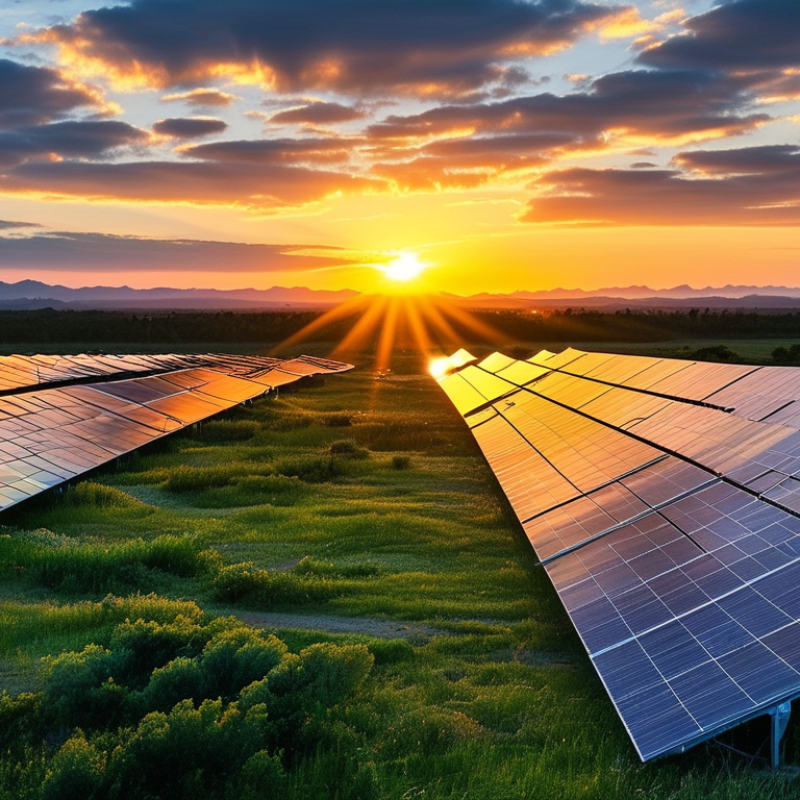
Sunlight plays a crucial role in determining the efficiency and performance of solar lights. The intensity and duration of sunlight directly affect how much energy solar panels can capture. According to the National Renewable Energy Laboratory (NREL), solar panels are most efficient when exposed to direct sunlight for at least six hours a day. However, variations in seasons and weather conditions can lead to fluctuations in sunlight exposure, impacting energy generation.
Temperature is another factor influencing solar light efficiency. High temperatures can reduce the electricity output of solar cells. Research indicates that for every degree Celsius above 25°C, solar panel efficiency may decline by around 0.4% to 0.5%. This limitation highlights the importance of location when installing solar lighting systems. Areas with consistent sunlight but cooler temperatures often yield better performance over time.
Additionally, solar light performance can degrade due to dust and debris accumulation on panels. A study from the Journal of Solar Energy found that panels with a significant layer of dirt can lose up to 30% of their energy efficiency. Regular maintenance, such as cleaning, can greatly enhance performance. Nonetheless, many users overlook this aspect, leading to suboptimal energy collection and usage.
Sunlight plays a crucial role in the efficiency and performance of solar lights. The type of sunlight—direct or diffused—can greatly affect how well solar panels convert sunlight into energy. Direct sunlight provides the most optimal conditions. Research indicates that solar panels can produce up to 30% more energy in direct light than in shaded or diffused conditions. This highlights the importance of panel placement in sunny environments.
On the other hand, diffused sunlight, which occurs on cloudy or overcast days, results in lower energy conversion rates. Studies show that solar panels can operate at only 20% efficiency under such conditions. While panels can still generate power, their performance diminishes significantly. This raises questions about the design and adaptability of solar lighting systems. A focus on improving efficiency under varied light conditions can enhance their overall functionality.
However, it’s essential to reflect on the limitations of solar technology. Not every location experiences consistent sunlight, and shadows from trees or buildings can further impact energy production. Understanding these variables can lead to more robust solar designs that maximize output, even in less-than-ideal light situations. This insight is vital for future innovation in solar lighting solutions.
Sunlight plays a crucial role in the efficiency and performance of solar lights. Solar panels convert sunlight into electricity, which powers these lights. The conversion rate of solar panels varies based on several factors. These include the angle of sunlight, weather conditions, and the type of solar technology used. Inefficient conversion can lead to inadequate lighting in the evenings.
Solar panel technology relies heavily on direct sunlight for optimal functioning. The performance drops significantly on cloudy or rainy days. During such times, the energy stored may not be sufficient. Regular maintenance can enhance efficiency but requires ongoing attention. Dust and debris can block sunlight and hinder performance.
Many users underestimate the importance of sunlight conditions. Some believe that solar lights will function equally well in all weather. However, understanding environmental impacts is essential for good performance. Emphasizing proper placement of the lights can mitigate efficiency loss. Thoughtful positioning ensures maximum exposure to sunlight throughout the day.
Optimal sunlight conditions are crucial for maximizing the efficiency of solar lights. Studies show that solar panels perform best under direct sunlight for six hours. This exposure boosts energy absorption, leading to improved performance. When sunlight is limited, energy output decreases significantly. Research indicates that cloudy weather can reduce solar panel efficiency by 50%.
Solar lights work optimally when they receive adequate sunlight. They require specific angles and orientations to capture the maximum amount of light. The National Renewable Energy Laboratory highlights that even slight shading can lead to a noticeable drop in energy production. Reflection and surface materials also play a role. A clear, unobstructed view of the sky is ideal.
Interestingly, the angle of solar panels can affect efficiency. A tilt of 30 degrees often captures sunlight more effectively throughout the year. However, this can be hard to achieve in urban areas with tall buildings. Understanding local climate conditions is vital. Adjustments may need to be made based on seasonal changes.
| Sunlight Condition | Efficiency (%) | Performance Rating (Out of 10) | Optimal Usage Hours |
|---|---|---|---|
| Full Sunlight | 90 | 10 | 6+ |
| Partial Sunlight | 70 | 8 | 4-6 |
| Overcast Conditions | 50 | 6 | 2-4 |
| Shade | 20 | 3 | 0-2 |
Weather plays a crucial role in the efficiency and performance of solar lights. Seasons change the amount and quality of sunlight received. During winter, shorter days mean less sunlight. This can lead to reduced energy storage in solar panels. Conversely, longer days in summer can significantly enhance efficiency.
Cloud cover and rain also impact solar light performance. Rain can clean solar panels, removing dust and debris. However, persistent cloudy weather can hinder effectiveness. If you live in areas with many overcast days, consider investing in solar lights with better battery storage capacity.
**Tips:** Ensure solar panels are positioned to maximize sunlight exposure. Regularly clean the panels for optimal performance. Consider using solar lights designed for areas with variable weather conditions. This can enhance reliability and maintain brightness throughout the year.
This chart illustrates how various weather conditions and seasonal variations affect the performance of solar lights. The data reflects estimated efficiency percentages based on sunlight exposure and environmental factors across different seasons.
: The conversion rate depends on sunlight angle, weather, and solar technology used. Inefficiency can lead to poor lighting.
Performance drops on cloudy or rainy days. Energy stored may not be enough for the evening hours.
Solar lights need direct sunlight to function well. Lack of it can hinder their efficiency significantly.
Regular maintenance is key. Dust and debris must be cleaned to avoid blocking sunlight.
Many users believe they do, but this is a misconception. Sunlight conditions greatly affect performance.
Studies show six hours of direct sunlight is optimal for energy absorption and efficiency.
Even slight shading can lead to a significant drop in energy production. Proper placement is essential.
Yes, a 30-degree tilt is often more effective, but this is not always feasible in urban settings.
Users must ensure a clear, unobstructed view of the sky to maximize sunlight exposure.
Different climates can affect solar efficiency. Adjustments may be needed based on seasonal variations.
Understanding how sunlight affects the performance of solar lights is crucial for maximizing their efficiency. Several factors play a role, including the type of sunlight—direct versus diffused—and how each impacts solar panel performance. Solar panels are designed to convert sunlight into energy, and their efficiency is heavily dependent on the intensity and quality of sunlight they receive.
Optimal conditions can vary, with direct sunlight generally providing better energy conversion rates. However, weather conditions and seasonal changes can significantly influence solar efficiency. For instance, cloudy or rainy weather can reduce the amount of sunlight available, leading to lower performance. By recognizing these variables, users can better utilize solar lights and ensure they operate at peak efficiency under various environmental conditions.

Midmo Lights