 Midmo Lights
Top 10 Tips for Choosing Solar Lights for Your Outdoor Spaces?
When selecting solar lights for your outdoor spaces, it’s crucial to make informed decisions. The solar lighting market is anticipated to reach $2.5 billion by 2027, reflecting a growing interest in sustainable energy solutions. With so many options available, understanding “How to choose solar lights for different outdoor spaces” becomes essential.
According to industry expert, Dr. Emily Foster, "The right solar lights can transform your garden into a vibrant oasis." Her insights emphasize the significance of matching lights to specific outdoor needs. Proper placement and design can enhance safety and aesthetics. However, users often overlook factors like brightness, battery life, and weather resistance.
Every space is unique. What works for a small patio may not suit a sprawling garden. Evaluating your requirements involves testing different solar lights. Some may fall short, failing to provide adequate illumination. Realizing these nuances can lead to better choices that align with your outdoor vision.
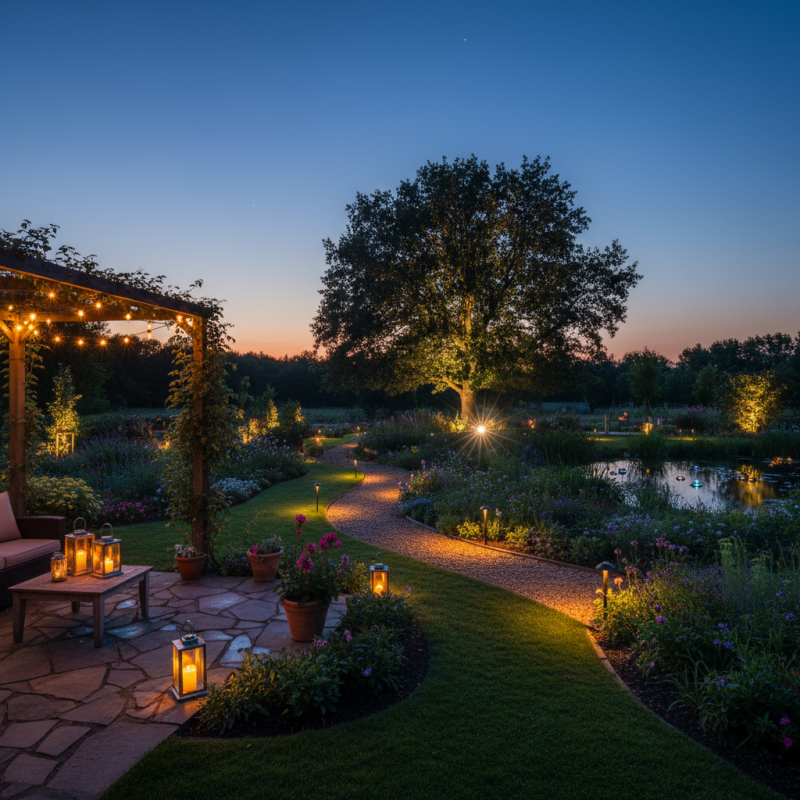
Factors to Consider When Selecting Solar Lights for Outdoor Use
When selecting solar lights for outdoor spaces, several factors influence the decision. One major aspect is brightness. Lumens measure brightness; the higher the lumens, the brighter the light. Ideally, choose lights that offer sufficient brightness for your specific area, whether it’s a walkway or a garden.
Another factor to consider is the battery type and solar panel efficiency. Efficient solar panels charge faster, leading to more reliable performance. Lead-acid batteries are common but have shorter lifespans. Lithium-ion batteries offer better longevity. Pay attention to the light's materials too. Look for durable options that can withstand various weather conditions.
Energy efficiency is also crucial. Solar lights should convert sunlight into energy effectively. This means a good solar panel and a smart design that captures sunlight optimally. Consider the aesthetics as well. The style of solar lights should complement your outdoor decor while providing functionality. Engaging with your chosen lights after installation can help identify any potential shortcomings in lighting intensity or durability. Adjustments might be needed based on usage patterns or seasonal changes.
FAQS
: Consider brightness, battery type, solar panel efficiency, and durability. These factors affect performance and longevity.
Brightness is measured in lumens. Higher lumens indicate brighter light levels for different outdoor needs.
For cozy areas, choose lights with 100 to 300 lumens. This creates a warm atmosphere without being too harsh.
For pathways, lights with 300 to 600 lumens are ideal. They ensure safety and visibility without creating glare.
Look for lithium-ion batteries for better longevity. Lead-acid batteries have shorter lifespans and may not be as reliable.
Energy efficiency ensures better sunlight conversion and reliable performance. Efficient designs capture sunlight effectively.
The style of the lights should match your decor. Poorly chosen designs can clash and disrupt the overall aesthetic.
Engage with your lights regularly. Watch for issues in brightness and durability. Adjustments may be necessary.
Yes, smaller spaces may feel cramped with high-lumen lights. Balance your choices based on the area’s size and use.
Yes, testing helps you find the right brightness and style. This approach can prevent frustration and improve your ambiance.
Conclusion
When considering how to choose solar lights for different outdoor spaces, several key factors come into play. First, it's essential to evaluate the brightness levels, measured in lumens, to ensure adequate illumination based on the area you want to light—patios, walkways, or gardens will have varying brightness requirements. Next, attention should be given to battery life and solar panel efficiency, as these specifications determine how effective and long-lasting the solar lights will be in your chosen environment.
Moreover, design and aesthetics are crucial to complementing your landscape while providing functionality. Selecting styles that fit well with your outdoor décor can enhance the overall appeal of your space. Lastly, it’s vital to consider weather resistance ratings to ensure the solar lights can withstand various climatic conditions, ensuring durability and longevity. By carefully analyzing these aspects, you can effectively select the right solar lights that not only meet your illumination needs but also enhance the beauty of your outdoor areas.
