When it comes to outdoor lighting, solar lights are popular for their efficiency and sustainability. However, they can face common issues that may hinder their performance. Expert Michael Johnson, a well-regarded solar energy consultant, states, "Understanding how to troubleshoot common solar light problems can save you time and money."
Identifying these problems can be straightforward. Many times, it can be as simple as ensuring the solar panel is clean and free from debris. Other factors, like the location of your lights, also play a crucial role. Be mindful that incorrect placement can result in inadequate sunlight absorption.
Sometimes, solar lights may not work due to low battery life or faulty LEDs. This is a common issue that requires thoughtful examination. Knowing how to troubleshoot common solar light problems is essential. A proactive approach can prevent frustration and lead to a more enjoyable outdoor experience. Always be ready to make adjustments and learn from each setback.
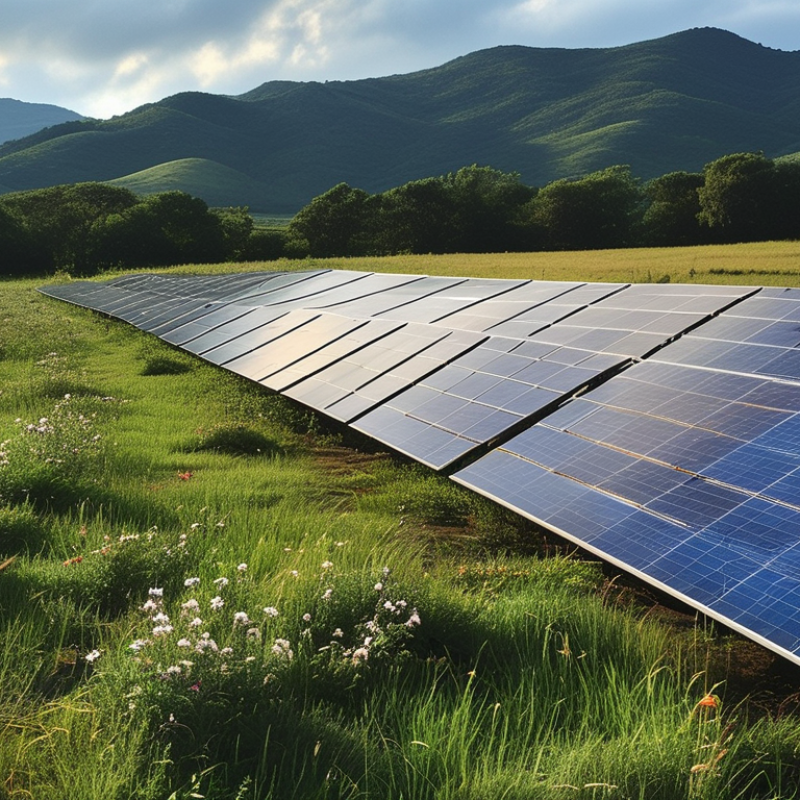
Solar lights are a convenient option for outdoor illumination. However, they may face issues that prevent them from functioning properly. Identifying these problems early on helps in effective troubleshooting.
One common issue is inadequate sunlight exposure. If solar lights are not placed in a sunny area, their batteries may not charge adequately. Inspect the location and ensure there are no obstructions, such as trees or buildings. Regularly clean the solar panels. Dust and debris can block sunlight, affecting performance.
Another frequent problem is battery failure. If your lights flicker or do not turn on, it might be time to replace the batteries. Check the manufacturer's specifications for compatible replacements. Sometimes, the connections may also be loose. Tighten any loose wires carefully.
Pay attention to the light sensor. If the lights do not activate at night, the sensor may be dirty or malfunctioning. Clean the sensor gently and ensure it isn’t covered by debris. Evaluate the surrounding environment. If there's too much light nearby, the sensor might be confused.
Maintaining solar lights requires regular checks and reflection on their performance. Adjustments in placement or battery replacements can enhance their efficiency significantly.
Solar lights are a popular choice for outdoor illumination. However, they can encounter issues, especially related to battery functionality. Begin by inspecting the battery compartment. A loose connection can lead to poor performance. Ensure the battery is securely in place. Dirty terminals may also disrupt the flow of power. Cleaning the contacts with a dry cloth can enhance connectivity.
Next, assess the battery itself. If the lights flicker or do not turn on, the battery may be weak or dead. Try replacing it with a new one. Always use the same type of battery to avoid compatibility issues. The age of the battery matters too. A battery older than a couple of years might not hold a charge effectively. Regularly check the battery’s condition to avoid unexpected darkness in your yard.
Lastly, examine the solar panel. Clear any debris or dirt that could block sunlight. Obstructed panels will not charge the battery adequately. Take a moment to reflect on the maintenance routine for your solar lights. Regular checks can prevent bigger problems later, ensuring they reliably illuminate your space.
Inspecting solar panels is crucial for optimal performance. Dirt, dust, and debris can significantly reduce their efficiency. A study from the National Renewable Energy Laboratory indicates that dirty solar panels can lose up to 25% of their efficiency. Even a thin film of grime affects sunlight absorption.
Regular inspections should include checking for obstructions. Tree branches, leaves, or bird droppings can block sunlight. Take time to clear these away. Only clean panels when necessary, avoiding excessive scrubbing that might scratch the surface. Use water or soft cloths to maintain them.
In some cases, damage to the panels may be hard to spot. Cracks or discoloration may indicate deeper issues. Monitor the performance over time. Noticeable drops in energy output can signal trouble. Keeping an eye on these details can save you money in repairs later.
| Issue | Possible Causes | Solutions | Prevention Tips |
|---|---|---|---|
| Not Turning On | Dirt or debris on solar panel | Clean the solar panel with a soft cloth and mild detergent | Regularly check and clean the panels, especially after storms |
| Dim Light Output | Insufficient sunlight during the day | Adjust the panel orientation to maximize sunlight exposure | Ensure no objects cast shadows on the panel |
| Inconsistent Operation | Obstructions like tree branches or building shadows | Trim nearby branches and relocate any obstructions | Regularly monitor the area for growing obstructions |
| Solar Panel Damage | Physical damage from hail or debris | Inspect for cracks and consult a professional for repairs | Consider protective covers during severe weather |
| Battery Not Charging | Panel is dirty or malfunctioning | Clean the panel and check connections | Perform routine maintenance checks |
When troubleshooting solar lights, a common issue is damaged or burnt-out LED bulbs. Begin by checking each bulb. Look for any visible cracks or discoloration. A darkened area on the bulb can indicate burn-out. If a bulb looks good but isn't working, it might be time to replace it.
Remove the bulb carefully to avoid breaking it. Inspect the socket for debris or corrosion. Clean the area gently with a soft cloth if necessary. Sometimes, a poor connection can cause lighting issues. If you have spare bulbs, try swapping them out to determine if the problem persists. A functional replacement bulb can often solve the issue quickly.
If you find consistently bad bulbs, consider the manufacturer's warranty. Some brands offer replacements or repairs under warranty terms. Additionally, think about the solar panel. If it's dirty or shaded, it might not provide enough power for the LED bulbs to function. Regular maintenance on both the bulbs and solar panels can enhance performance and longevity.
When troubleshooting solar lights, proper placement and sunlight exposure are crucial factors. A study from the National Renewable Energy Laboratory found that solar lights need at least six hours of sunlight for optimal performance. Many people overlook this, leading to poor functionality. Ensure your solar lights are installed in locations that receive direct sunlight, especially during peak hours.
Placement matters. Avoid areas with obstructions like trees and buildings. They can block sunlight and reduce charging efficiency. According to a report by the Solar Energy Industries Association, inadequate sunlight exposure can lead to a 50% decrease in energy collection. Therefore, examining and adjusting the positioning of your solar lights is essential for consistent performance.
Consider these practical pointers: monitor shadows throughout the day. Adjust placement based on seasonal changes to maximize sunlight exposure. It's also important to check and clean the solar panels regularly. Dirt and debris can hinder sunlight absorption. Reflect on your habits; are you potentially placing lights in shaded areas? This can lead to unexpected failures in performance.
: Inadequate sunlight exposure can prevent charging. Ensure they are in a sunny location without obstructions.
If the lights flicker or don’t turn on, it may be time for a battery replacement.
Clean the sensor gently and check for debris covering it. Evaluate nearby light sources too.
Regularly check their performance, clean solar panels, and adjust placements as needed for better efficiency.
Look for visible cracks, discoloration, or darkened areas on the bulb which suggest burn-out.
Remove the bulb carefully and inspect the socket. Clean it if there's debris or corrosion present.
Yes, loose connections can cause problems. Tighten any loose wires carefully to see if the issue resolves.
Some manufacturers offer warranties for replacements or repairs. Check the warranty terms for details.
A dirty or shaded solar panel may not provide enough power for the LED bulbs to work effectively.
Regular checks and adjustments in battery placement can significantly enhance overall performance and longevity.
When considering how to troubleshoot common solar light problems, it's essential to identify the usual issues that may arise. One of the first steps is to check the functionality of the battery and ensure that all connections are secure. This ensures that the solar lights receive the necessary power to operate efficiently.
Next, inspecting the solar panels for any dirt or obstructions is crucial, as these can significantly hinder their ability to harness sunlight. Additionally, examining the LED bulbs for any damage or burnout can help determine if replacement is necessary. Lastly, making sure the lights are placed in optimal locations with adequate sunlight exposure will enhance their performance. By following these steps, you can effectively resolve many common issues with solar lights.

Midmo Lights