Top 10 Reasons Why Solar Lights Need Motion Sensors?

Time:2026-09-26 Author:Henry
0%

Solar lights have a small energy budget. A cloudy afternoon, a short winter day, or a shaded panel can leave less power for the night ahead. That is where motion sensing can help. Instead of keeping a lamp bright for hours, the sensor activates it when someone approaches a path, doorway, or garden gate. The result can be more useful light when it matters, with less wasted battery energy.

A practical design principle is: “Let stored sunlight serve people when they need it.” This is an editorial summary, not a verified quotation from a named expert. Why do solar lights need motion sensors? The answer depends on the setting. A driveway may benefit from a sudden, bright welcome; a quiet patio may need softer, steady illumination. Sensor range, detection angle, mounting height, and nearby branches all affect performance. Small details matter.

This guide explores ten reasons motion sensors can improve solar lighting, from longer runtimes to added convenience and visibility. It also considers the trade-offs. A sensor may miss someone walking slowly, or trigger repeatedly when leaves move in the wind. No single setup fits every home. Understanding those limits helps buyers choose lights that suit their spaces, rather than relying on impressive specifications alone.
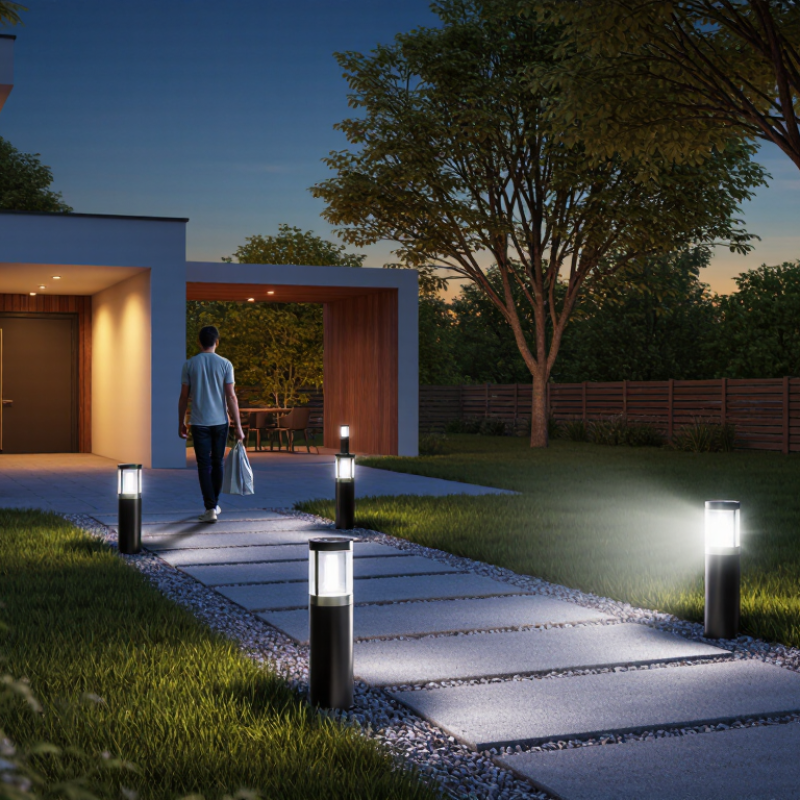
Top 10 Reasons Why Solar Lights Need Motion Sensors?

How Motion Sensors Operate in Solar Lights

How Motion Sensors Operate in Solar Lights

Many solar lights use passive infrared sensors, or PIR sensors, to detect changes in heat around them. A person crossing the sensor’s field of view creates a changing infrared pattern. The sensor sends a signal to the control circuit, which switches the LED on or raises its brightness. An ambient-light sensor usually prevents this response during daylight. Meanwhile, the solar panel charges the battery, which powers the light after sunset. Designs vary, so activation distance and lighting time are not identical.

Tips: Aim the sensor toward the path people actually use, not a warm wall or moving branches. Keep the panel clear of shade and dirt. Test the light at night; a small angle change can make a noticeable difference.

When no movement is detected, the light may switch off or return to a dim setting, depending on its design. This reduces battery use and can help the light operate longer between sunny days. Still, a sensor can miss someone approaching from the side, or trigger when nearby heat shifts. Cold weather, battery condition, and panel exposure also affect performance. I would not assume a longer advertised range means better coverage in every yard. Check the real detection area before fixing the light permanently.

Saving Stored Energy and Extending Nighttime Illumination

A solar light stores daytime energy in a battery, so every minute of nighttime use matters.

Motion sensors keep the lamp dim or off when the path is empty, then brighten it when someone approaches. This can preserve charge for later hours, especially during short winter days or several cloudy afternoons.

Small changes matter. A light beside a gate, for example, may only need full brightness when a person walks within range.

Sensor settings affect the result.

A shorter on-time and sensible detection distance can reduce needless activation from passing cars or moving branches. In a real yard, placement may take a little adjustment; a sensor aimed toward a busy sidewalk can drain energy faster than expected.

Not magic.

Battery capacity, panel exposure, and weather still shape how long a light stays useful. A motion sensor helps manage stored energy, but it cannot replace good sunlight or a well-positioned fixture.

Strengthening Security and Improving Outdoor Safety

Motion-activated solar lights can make dark paths and entrances easier to navigate. When someone approaches, the light switches on without anyone searching for a wall control. A sudden light helps. It can reveal a step, a garden hose, or a slippery patch near the door. This matters when carrying groceries or walking outside after dusk.

For security, illumination may draw attention to movement around a gate, shed, or driveway. It can also make it easier for residents to notice activity from a window. A sensor does not prevent every intrusion, and it should not replace sturdy locks or sensible lighting elsewhere. Positioning matters: aim the sensor toward the approach, not a busy road or swaying branches. Otherwise, passing cars or wind-blown leaves may trigger repeated flashes.

Outdoor safety depends on reliable operation, too. Keep the solar panel clear of leaves and place it where it receives enough daylight to recharge. Check that the light still turns on after cloudy weather; a weak battery can leave a path unexpectedly dark. Rain, cold, and changing seasons may affect performance. Even careful placement can be imperfect, so test the detection area at night and adjust it if the light misses the steps or activates too easily.

Reducing Light Pollution and Increasing Everyday Convenience

Motion sensors help solar lights illuminate only when someone approaches, rather than glowing all night. That can reduce unnecessary spill into bedrooms, gardens, and nearby streets. A light that switches on beside a dark path is often more useful than a constant glare. Aim the fixture downward and choose a sensor range that covers the walkway, not every passing car. Small adjustments matter.

In everyday use, a brief burst of light can make finding keys or stepping onto a porch easier. It can also help visitors spot a doorstep without leaving a bright lamp on for hours. Performance still depends on sunlight reaching the panel and the battery holding a charge. Cloudy stretches may shorten operating time. That part is easy to overlook. Sensors can also trigger too often if branches move across their field of view, which can be annoying and waste stored energy.

Tips: Test the sensor after dusk, then adjust its angle and detection range. Set a short lighting duration first; extend it only if the path stays difficult to navigate. Keep the solar panel free of leaves and dust, and check the light from inside nearby rooms. If it shines through a window, repositioning it may solve the problem better than lowering brightness alone.

Motion-Sensor Solar Lights: Less Unnecessary Lighting

A scenario comparison of annual active-light hours under two nighttime operating patterns.

How to read this: The illustration assumes an 8-hour night every day for a year. Dusk-to-dawn lighting is counted as active for all 8 hours; motion-activated lighting is assumed to be active for a combined 2 hours per night. Actual hours vary with location, season, settings, and movement, but lighting only when needed can reduce unnecessary illumination and make pathways easier to use.

Factors That Affect Sensor Performance and Suitability

Sensor performance depends on more than advertised detection range. Passive infrared sensors respond to changes in heat, so warm evenings can reduce contrast between a person and the surroundings. A sensor facing across a path may detect movement better than one facing directly toward it. Mounting height, lens angle, shrubs, rain, and nearby traffic also affect coverage. Small details matter.

Solar supply determines whether that coverage remains useful after dusk. NREL’s PVWatts Version 5 documentation models photovoltaic output using location, weather, tilt, and system inputs; shade and winter daylight can therefore change charging conditions substantially. A motion-triggered light can conserve stored energy, but frequent false activations still drain its battery. One uncomfortable detail: broader coverage may create more false triggers.

Suitability also depends on the site’s purpose. A narrow entrance may need a short, precise detection zone, while a driveway benefits from earlier activation. The U.S. Department of Energy’s FEMP guidance on occupancy sensors reports potential lighting-energy savings of 10% to 90%, depending on application. That range is not a solar-light guarantee; it shows how strongly results depend on use patterns. Check detection distance at the actual mounting height, then test it after dark. That assumption is not always right. A sensor that works on a mild evening may behave differently during a cold, windy night.

FAQS

How does a motion sensor in a solar light detect people?

A passive infrared sensor detects changing heat patterns. The control circuit then switches on the LED or brightens it.

Why might the light stay off during daytime?

An ambient-light sensor often blocks activation in daylight. The solar panel charges the battery for use after sunset.

Where should I aim the sensor?

Aim it toward the path people use, such as the steps or gate. Avoid warm walls, busy roads, and swaying branches.

Why does the light sometimes turn on without anyone nearby?

Nearby heat changes, passing cars, or moving leaves may trigger it. Small adjustments help.

Can a motion-activated light improve outdoor safety?

It can reveal a step, garden hose, or slippery patch near a door. That helps when carrying groceries after dusk.

Does a motion sensor prevent intrusions?

No. The light may draw attention to movement, but it does not replace sturdy locks or other sensible precautions.

What can make a solar light perform poorly?

Shade, dirt, cloudy weather, cold temperatures, or a weak battery can reduce performance. Keep the panel clear and check the light after cloudy days.

How can I check the sensor’s coverage?

Test it at night before fixing the light permanently. Walk toward it from different angles; I would not trust the advertised range alone.

Conclusion

Why do solar lights need motion sensors? Motion sensors help solar lights use stored energy more efficiently by keeping them dim or off when no movement is detected and brightening when someone approaches. This adaptive operation can extend illumination throughout the night, especially when sunlight is limited, while still providing light where it is needed.

Motion-activated lighting can also improve outdoor security and safety by making paths, entrances, and yards easier to navigate when people are nearby. Because lights are not continuously bright, they can reduce unnecessary light pollution and make everyday outdoor spaces more convenient. Sensor performance depends on factors such as detection range, mounting position, sensitivity, weather, and the layout of the area. Choosing settings suited to the location helps ensure reliable activation without frequent false triggers.

Henry

Henry

Henry is a dedicated marketing professional with a profound expertise in the company's offerings. With years of experience in the industry, he possesses an impressive understanding of the market dynamics and consumer behaviors that drive success. Henry is committed to sharing his insights through......