Midmo Lights
Innovative Outdoor Lighting Portfolio
Premium architectural-grade solar solutions engineered for commercial viability, longevity, and high luminous efficiency.
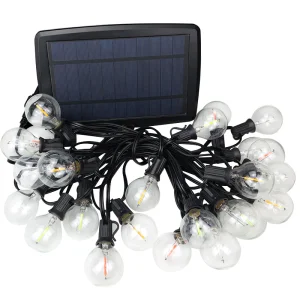
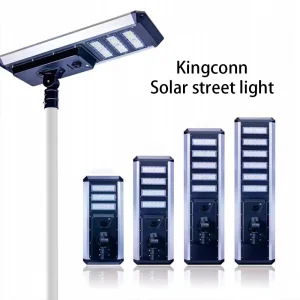
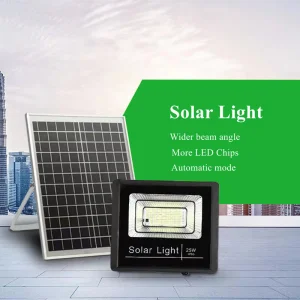
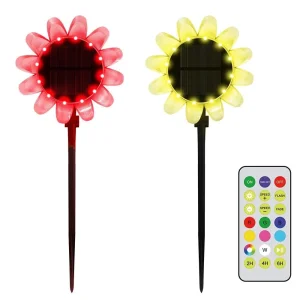
Global Market Evolution & Solar Lighting Trends
The convergence of renewable energy, aesthetic architecture, and IoT technologies is redefining outdoor illumination markets.
Next-Gen Photovoltaic Integration
The industry is transitioning from low-efficiency polycrystalline cells to high-performance mono-PERC (Passivated Emitter and Rear Cell) panels. These advanced cells offer conversion efficiencies exceeding 22.5%, ensuring optimized charging cycles even during overcast winters or low-light atmospheric conditions.
Lithium Iron Phosphate (LiFePO4) Dominance
To withstand extreme outdoor temperature swings, leading exporters are replacing traditional Lead-Acid and Ni-MH cells with commercial-grade LiFePO4 batteries. Offering over 2,000 deep discharge cycles, they extend the structural shelf-life of luminaires past 8-10 years, drastically lowering maintenance overheads.
Adaptive IoT Mesh Controls
Modern solar garden decor is no longer passive. With integrated Bluetooth Low Energy (BLE), Zigbee, or LoRa protocols, systems automatically self-regulate brightness based on seasonal twilight profiles, sync color patterns across zones, and report cell health status back to centralized facility management dashboards.
SEO Insight & Technical Trend: "As municipalities and high-end hospitality real estate embrace ESG (Environmental, Social, and Governance) targets, the demand for Dark Sky-compliant, glare-shielded solar optics is skyrocketing. Exporters capable of designing low-glare, warm-spectrum (2700K to 3000K) decorative pathways are capturing the highest B2B profit margins."
Global Enterprise Sourcing Framework
Analyzing key variables that volume buyers, commercial contractors, and global importers prioritize during vendor evaluations.
Compliance & Standards
Global entry barriers require strict compliance. Premium manufacturers provide ISO9001 quality management, IP65/IP66/IP67 ingress ratings, CE, RoHS, FCC certifications, and UL-certified battery packs. Sourcing compliance avoids import seizures and product liability issues.
Customization & OEM/ODM
To stand out in saturated retail landscapes, enterprise buyers require bespoke housing finishes (such as anodized aluminum, marine-grade stainless steel, and weather-resistant polycarbonate) along with custom LED CCT, CRI configurations, and custom private-label packaging.
Optimized Supply Chains
Procurement efficiency relies heavily on component verticalization. Partnering with suppliers who control everything from raw silicon processing to die-casting and automated SMT placement ensures consistent quality, optimized container load volumes, and reduced freight costs.
China Factory 4.0: Unmatched Supply Chain Resilience & Efficiency
China's industrial manufacturing clusters, particularly in Zhejiang and Guangdong, represent the pinnacle of solar lighting production. These regions offer unparalleled vertical integration, combining component sourcing, plastic injection, aluminum alloy die-casting, and advanced SMT operations within a localized footprint.
By leveraging automated industrial production lines, Chinese factories maintain competitive cost structures while achieving consistent output quality that satisfies international regulatory systems.
-
High-Speed SMT Placement: Automated pick-and-place lines process complex PCB control circuits, ensuring zero cold solder joints and high electronic reliability.
-
Precision Waterproofing Testing: Every batch undergoes high-pressure water spray tests and vacuum leak diagnostics to verify IP65 to IP68 sealing.
-
Environmental Simulation: Chambers simulate extreme UV exposure, high humidity, and saline coastal environments to ensure zero component yellowing or rust.
Localized Application Scenarios & Environmental Engineering
Optimizing solar architectural illumination to survive and perform in diverse geographical climates.
Arid & High-Temperature Climates
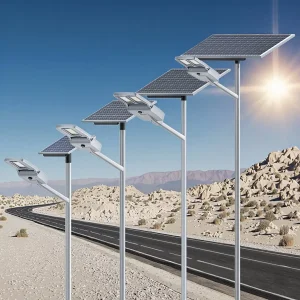
Desert and high-heat installations require heat-stabilized LiFePO4 battery compounds and high-grade UV-resistant coatings to prevent housing yellowing or cell degradation under prolonged extreme UV exposure.
Saline Coastal & Maritime Environments
Seaside resorts and ocean walkways require anti-corrosive treatments. Using marine-grade anodized aluminum (6000-series alloy) and silicone rubber gaskets prevents salt mist oxidation and corrosion of critical electronic components.
High-Latitude & Cold Climates
For regions with shorter winter days, systems are engineered with oversized monocrystalline solar panels and low-temperature battery management systems (BMS) that prevent charging below freezing points, protecting the cell structure.
China Solar Lights Manufacturers, Suppliers, Factory
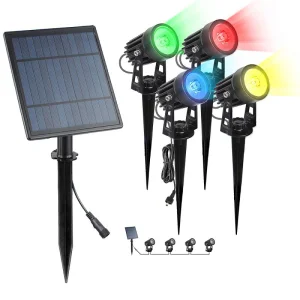
We began to develop solar lights in 2006, and never stop our step to find new tech and fashionable design of it. Due to our lasting developing and marketing promotion, solar lights have successfully replace thousands of inefficient electrical and gas powered post or wall lights.
Solar lights are electric lights that are converted into solar energy by solar panels. During the day, even on a cloudy day, this solar generator (solar panel) can also collect and store solar energy. As a safe and environmentally friendly new light, solar lights have received increasing attention.
Our long-term commitment to solar development has established our manufacturing facilities as key innovators in the green lighting industry, supporting commercial, industrial, and retail sourcing networks worldwide.
Why Importers Trust Our Supply Chain
- Vertical Integration: Component sourcing, plastic molding, and assembly within one facility.
- Strict QA Protocol: Multi-stage testing from cell sorting to final waterproofing.
- Customization: Modifying beam angles, battery capacities, and housing textures.
- Compliance: Shipments arrive with complete test reports and customs clearance documentation.
Expert Sourcing FAQ: Solar Garden Lighting
Direct technical answers to questions commonly raised by B2B buyers during factory audits and product compliance reviews.
Commercial Solar Lighting Equipment
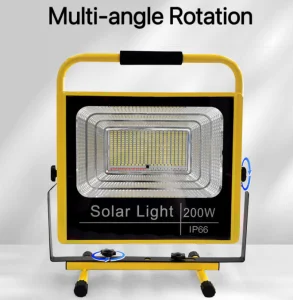
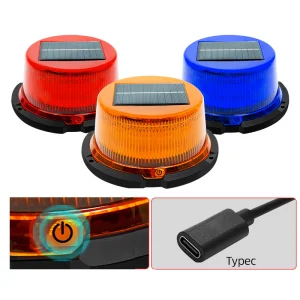
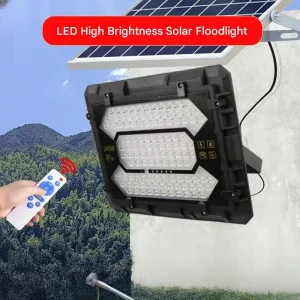
Explore our heavy-duty solar floodlights, street illuminations, and industrial emergency warning luminaires.