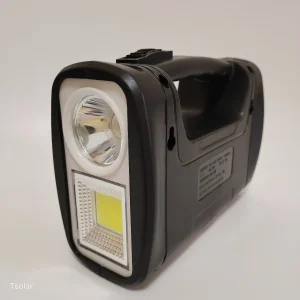
Midmo Lights
Primary Engineering Solutions Showcase
Explore our curated list of enterprise-level solar path, emergency, flood, and architectural lighting configurations engineered for high efficiency.
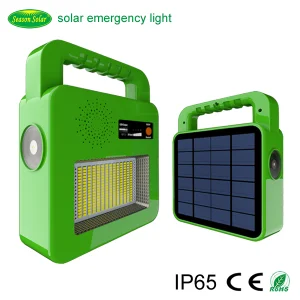
New All in One Solar Controller Portable & Easy-Take Desking Lighting 5W Emergency Solar Home Light with LED Light & Lighting
Access Specifications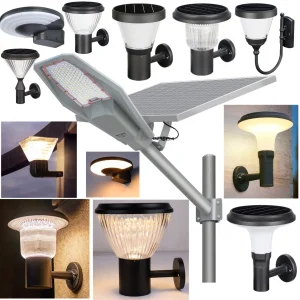
Yaye Solar China Factory Supplier Manufacturer CE 50W Outdoor Waterproof Landscape Park Solar Power LED Wall Garden Lawn Pathway Rechargeable Decorative Light
Access Specifications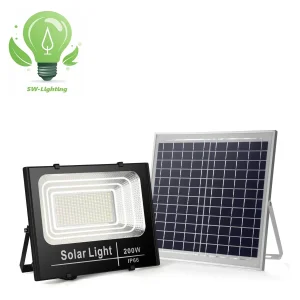
All in One Solar LED Flood Lamp IP66 Waterproof Outdoor Solar LED Flood Light with SMD High Brightness 40W 60W 100W 200W 300W 400W
Access Specifications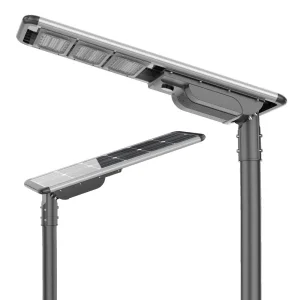
All in One Solar Street Light for Outdoor with IP66 RoHS Ik09
Access Specifications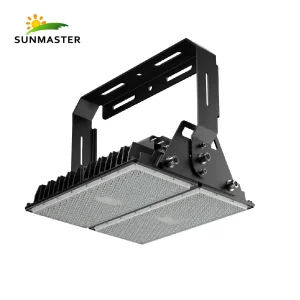
2 Pack LED Flood Lights with Motion Sensor Outdoor Security Solar Flood Lights 2000W
Access Specifications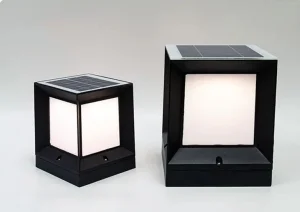
Solar LED Waterproof IP65 Square Aluminum Outdoor Courtyard Fence Post Decorative Gate Pillar Light
Access Specifications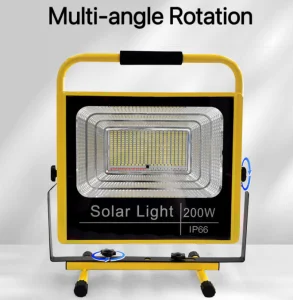
50W New Rechargeable Solar Flood Light Outdoor Portable LED Reflector Emergency Light Rechargeable Floodlight Construction Lamp
Access Specifications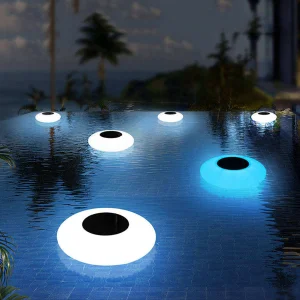
RGB Solar Floating Light with Remote Control IP68 Swimming Pool Solar Underwater Floating Light Diving Light
Access Specifications1. Commercial & Industrial Landscape of Solar Step Lighting
Analyzing global architecture trends, shift towards off-grid safety parameters, and the rise of smart city illumination.
Global Infrastructure Shift Towards Low-Voltage Decentralized Grid
The landscape of commercial real estate, public infrastructure, and modern architectural landscape design is undergoing a paradigm shift. Designers and municipal planners are increasingly phasing out traditional line-voltage (120V-240V AC) lighting grids. The cost of copper trenching, mechanical conduit routing, structural concrete cutting, and hiring certified electricians has risen dramatically.
Decentralized solar steps and pathway lighting are no longer merely aesthetic accents; they are functional, safety-critical components of external pathways. With continuous advancements in semiconductor performance, smart motion sensors, and ruggedized housing assemblies, industrial wholesale operations have matured to deliver systems capable of maintaining high lumen outputs with long durability.
23%
Average PV Conversion Rate
IP68
Submersibility Index Available
>50k
LED Operating Hours L70
-20℃
Low Temperature Resistance
2. Technology Roadmap: Photovoltaics, Batteries, & LED Drivers
A breakdown of raw materials, electrical efficiency metrics, and hardware engineering that define industry-leading solar step lights.
Mono-Si PV Panels
Transitioning from polycrystalline to N-type monocrystalline silicon cells. Micro-textured glass enhances light absorption at low angles of incidence, critical for vertical-mounted step risers.
LiFePO4 Chemistry
Using Lithium Iron Phosphate cells to avoid thermal runaway. Cells are rated for over 2,000 charge-discharge cycles at 80% Depth of Discharge (DoD), yielding a product lifespan of 5 to 7 years.
Adaptive MPPT Controllers
Using Maximum Power Point Tracking (MPPT) micro-controllers rather than basic PWM. These chips dynamic-track the solar power curve to ensure battery charging in overcast, shady conditions.
Technical Comparison of Step Light Configurations
| Specification Feature | Standard Retail Grade | Industrial B2B Grade | Military/High-Spec Grade |
|---|---|---|---|
| PV Panel Type | Polycrystalline (14-16% Efficiency) | Monocrystalline N-Type (21-23% Efficiency) | Gallium Arsenide (GaAs) / Multi-junction (Custom) |
| Battery Chemistry | Ni-MH or Ternary Li-ion (500 cycles) | LiFePO4 with BMS protection (2,000+ cycles) | Ultra-low temperature LiFePO4 (-40°C to 75°C) |
| Housing Material | Standard ABS + PC Blend | ADC12 Die-Cast Aluminum + High-Impact PC | 316 Marine-Grade Stainless Steel + Tempered Glass |
| Controller Hardware | Simple PWM IC | Microprogrammed Smart MPPT | IoT Mesh Node Enabled Smart Grid Transceiver |
| Ingress Protection | IP44 / IP54 | IP66 / IP67 Fully Sealed | IP68 / Hermetically Sealed |
3. Company Legacy, Original Philosophy & Production Capability
Combining decades of solar engineering history with modern industrial manufacturing infrastructure.
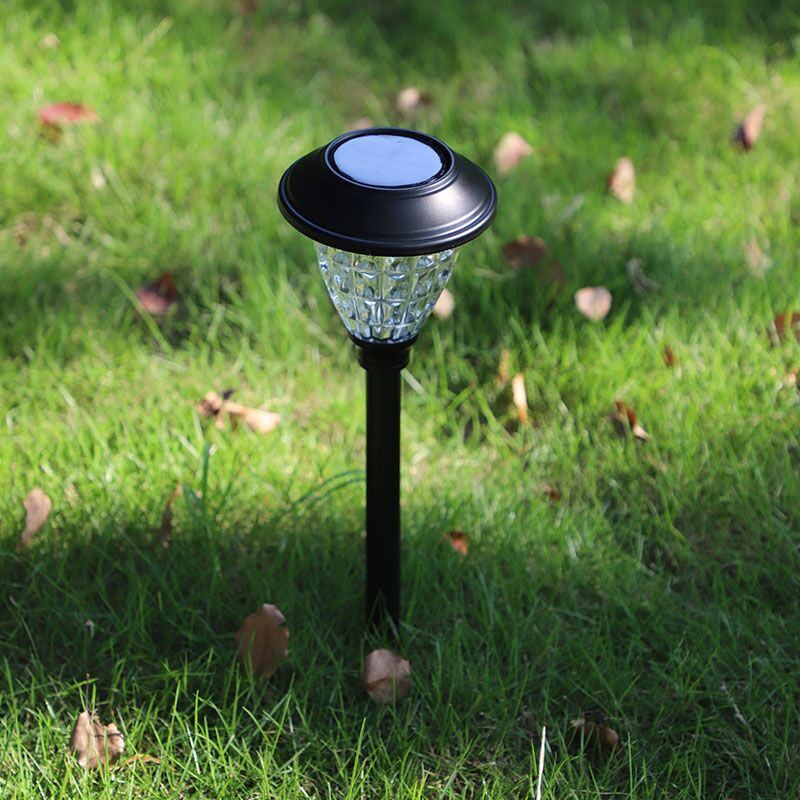
China Solar Lights Manufacturers, Suppliers, Factory
We began to develop solar lights in 2006, and never stop our step to find new tech and fashionable design of it. Due to our lasting developing and marketing promotion, solar lights have successfully replace thousands of inefficient electrical and gas powered post or wall lights.
Solar lights are electric lights that are converted into solar energy by solar panels. During the day, even on a cloudy day, this solar generator (solar panel) can also collect and store solar energy. As a safe and environmentally friendly new light, solar lights have received increasing attention.
From residential landscaping to heavy industrial site pathfinders, our core design principles focus on thermodynamic stability, high energy conversion under overcast conditions, and robust ingress protection.
4. Localized Application Scenarios & Environmental Engineering
Ensuring optical and structural performance across diverse architectural conditions and harsh microclimates.
Sub-Zero Nordic Pathways
Climatic challenge: Freezing temperatures, heavy snowfall, and limited sunlight in Scandinavian or Northern North American climates.
Solution: Equipped with low-temperature optimized BMS heaters and anti-snow shed geometric covers to maintain charging profiles at sub-zero temperatures.
High-Salinity Coastal Resorts
Climatic challenge: Constant airborne humidity, high salt spray deposition, and marine corrosion vectors.
Solution: We construct our marine-grade step lights with electrophoresis treated, powder-coated ADC12 aluminum and silicone gasket matrices to prevent saltwater intrusion.
Desert and High-UV Arid Zones
Climatic challenge: Extreme thermal fluctuations (up to 55°C during the day) and accelerated UV degradation of standard plastics.
Solution: Use PMMA and anti-yellowing polycarbonate diffusers with thermal dissipation heat-sinks, shielding inner LiFePO4 cells from ambient heat.
5. Chinese Manufacturing Supply Chain Resilience & Cost-Efficiency
Why OEM/ODM sourcing from our industrial hub offers unparalleled strategic procurement advantages.
The concentration of solar component supply chains in Guangdong and Zhejiang provinces provides global importers with unique cost and scheduling advantages. By keeping raw semiconductor sourcing, tooling design, die casting, SMT assembly, and optical validation within a 50-mile radius, we minimize logistical lag times.
- Vertical Integration: In-house mold fabrication reduces ODM tooling prototyping time to under 15 days.
- Quality Control Protocols: Each batch undergoes salt spray chambers, IPX6/IPX7 waterproof testing, high-impact drop towers, and automated goniophotometer lumen validation.
- BOM Optimization: Strategic partnerships with global microchip and battery cell suppliers protect lead times against volatile market changes.
Quality Control Standard Operating Procedure (SOP)
Every unit rolling off the production line undergoes a strict testing regimen before packaging:
- Automatic Optical Inspection (AOI) verification of SMT motherboard layout.
- 12-hour thermal cycling chambers (-20°C to 65°C) to identify weak solder joints.
- Submersion testing to verify IP66/IP67/IP68 ingress ratings.
- Luminous flux and distribution curve analysis via integrating sphere spectrometers.
6. Global Compliance, Certifications, and Standards
Exporting with assurance: how our products comply with international legal frameworks and strict building codes.
CE & RoHS Compliance
Guarantees total freedom from hazardous substances like lead, mercury, and cadmium. Full compliance ensures seamless import clearance into the European Economic Area.
IK09 / IK10 Impact Ratings
Validated against physical impact. Vital for public stairs, commercial decks, and municipal walkways where vandalism or heavy foot traffic is expected.
FCC & CISPR Standards
Filters out unwanted electromagnetic interference. Ensures our intelligent motion-activated and RF-linked step lights will not disrupt nearby wireless systems or smart home devices.
7. Technical & Procurement FAQ
Providing direct, engineered answers to common queries raised by lighting consultants, municipal engineers, and wholesale importers.
Q1: Can monocrystalline step lights charge during cloudy or winter periods?
Yes. Our monocrystalline solar panels are paired with low-lux charge controllers designed to harvest energy in low-light conditions. Even on overcast days, the panels generate sufficient current to replenish the battery, maintaining light output throughout the night.
Q2: What is the lifespan of the internal rechargeable battery system?
Our industrial-grade products utilize LiFePO4 cells rated for over 2,000 charge cycles. With built-in BMS protection against over-charge and over-discharge, the battery assembly will perform reliably for 5 to 7 years before falling below 80% capacity.
Q3: How do you prevent internal fogging and moisture intrusion?
We use dual-silicone seals, hydrophobic membrane breathers, and potted electronics. These features allow pressure equalization within the housing while blocking moisture, preventing internal condensation.
Q4: What is the minimum ordering quantity (MOQ) for custom color housings?
Standard white or black housings have an MOQ of 500 units. Custom RAL colors or bespoke finishes require a minimum order of 1,000 units to offset setup costs on the powder-coating line.
Q5: Are the lights compliant with ADA (Americans with Disabilities Act) step projection codes?
Yes. Our low-profile surface-mounted step lights protrude less than 2 inches from the wall riser, complying with ADA standards for accessible pathways.
Q6: Do you provide IES files for DIALux lighting design simulations?
Absolutely. We provide goniophotometric reports and standardized IES/LDT files to assist engineers and architects with path-of-travel calculations.
Q7: Can these lights handle extreme temperature fluctuations?
Our high-grade assemblies operate reliably from -20°C up to 65°C. For colder regions, we offer custom battery heaters that maintain optimal charging temperatures.
Q8: What warranty do you offer on wholesale commercial shipments?
We provide a 3-year warranty on complete assemblies, including the LED array, PV panel, battery, and controller board, supported by replacement components or units.
Q9: How do smart motion sensors conserve energy in public spaces?
The lights operate on a standby mode (e.g., 20% brightness) and scale up to 100% output when motion is detected, extending battery life during winter months.
Q10: Are OEM/ODM custom branding and custom packaging options available?
Yes. We provide complete private labeling services, custom carton structures, and localized instruction manuals. Custom designs can be molded to match your architectural requirements.
Supplementary Solar Lighting Systems
Expand your product line with our specialized solar landscape lights, camping lanterns, and modular storage kits.
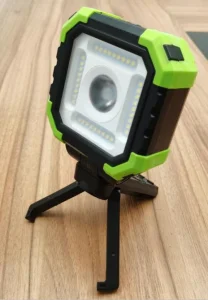
Rechargeable Solar Battery Outdoor Hand Lamp Portable LED Camping Working Light
Access Specifications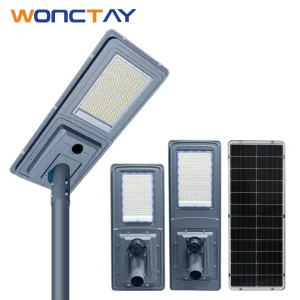
IP 65 Waterproof Long Battery Life Street All in One Solar Panel Light
Access Specifications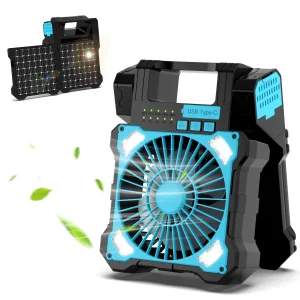
Portable Solar Fan Lights with Mosquito Killer and Timer Functions Rechargeable Outdoor Camping Tent Speed and Brightness Adjustable
Access Specifications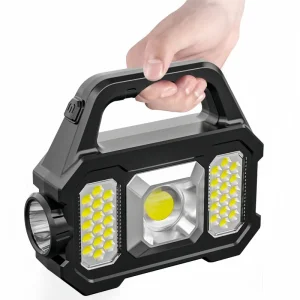
Solar Outdoor Flashlight Rechargeable Handheld Torch Lamps Cell Phone Charger Emergency Searchlight for Home Fishing Camping Hiking
Access Specifications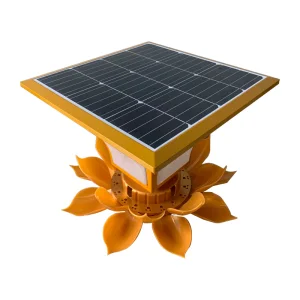
Outdoor LED Landscape Light for Lawn Patio Pathway Yard Walkway Fence Light Full High Power Temple Solar Sensor Warm White Flood Solar Lights
Access Specifications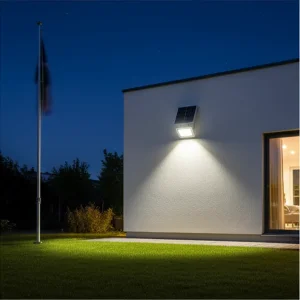
Affordable Ultra Brightness Aluminum Solar Flood Light for Wholesale
Access Specifications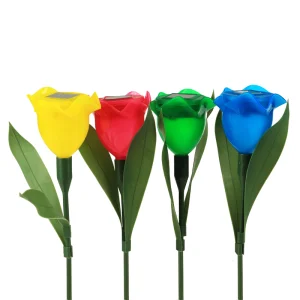
Waterproof Flower Decorative Lights for Garden Decoration Solar
Access Specifications