 Midmo Lights
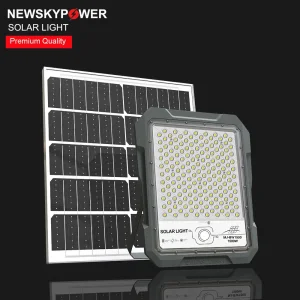
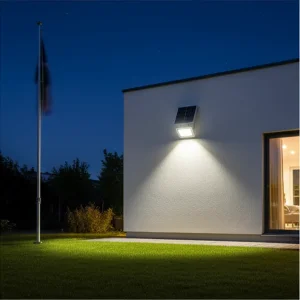
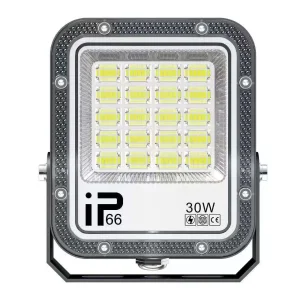
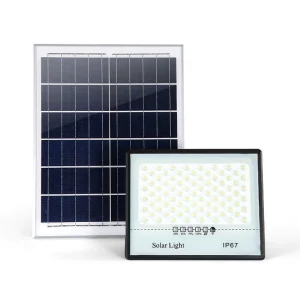
Featured Namibia High-Intensity Solar Floodlights
Heavy-duty configurations specifically designed to withstand extreme solar radiation and arid environments.
The Namibian Energy Landscape & Solar Inevitability
Why heavy-duty off-grid solar infrastructure is transforming mining operations, commercial sectors, and rural municipalities across Namibia.
Namibia is characterized by one of the most demanding solar environments globally. Boasting an average of over 300 days of cloudless sunshine per year and horizontal irradiation values peaking well above 2,200 kWh/m² annually, the sub-continental country holds an unmatched strategic advantage for photovoltaic energy systems. However, this extreme climate introduces heavy operational hazards. High UV exposure, severe desert dust storms originating from the Namib Desert, and extreme temperature variations between day and night pose rigorous trials for electrical devices.
For logistics centers, commercial ports like Walvis Bay, remote mining outposts in Erongo and Karas, and agricultural properties in Otjozondjupa, modern utility-grid electricity is either physically absent or exposed to significant grid instability. Industrial-grade solar flood lights represent a critical paradigm shift: bypassing the capital-intensive deployment of underground electrical lines while eliminating ongoing utility operational costs. By leveraging mono-crystalline solar panels with over 21.5% photovoltaic efficiency paired with high thermal-threshold Lithium Iron Phosphate (LiFePO4) storage chemistries, our factory configurations offer persistent performance engineered to withstand these specific Namibian stresses.
Global Technical Roadmaps & Regional Environmental Adapting
Integrating modern global engineering advances into localized lighting architectures for extreme desert and maritime conditions.
Intelligent MPPT Charging Controllers
Standard solar lights rely on outdated PWM controllers. Our high-efficiency Maximum Power Point Tracking (MPPT) logic actively monitors the current-voltage output of the monocrystalline PV cells, optimizing charging pathways to recapture lost energy during overcast hours, typical during coastal morning fog in Walvis Bay and Swakopmund.
Thermal Mitigation & BMS Tech
Extreme Namibian heat causes battery deterioration in standard lithium batteries. Our systems employ heavy-gauge LiFePO4 cells controlled by a smart Battery Management System (BMS) with built-in thermal cutoff, ensuring operating safety up to 60°C while achieving over 10-year service life.
Corrosion-Resistant Coatings
Proximity to the Atlantic Ocean causes accelerated degradation in outdoor hardware due to high salt mist. Our structural bodies undergo multi-layer electrostatic polyester powder coatings, meeting ASTM B117 salt spray testing guidelines to ensure structural durability in coastal environments.
| Feature Set / Parameter | Standard Market Solar Lights | Our Industrial Namibian Grade | Practical Advantage |
|---|---|---|---|
| Battery Chemistry | Ternary Lithium (NMC) | Lithium Iron Phosphate (LiFePO4) | Safe operation in heat up to 60°C, 3x longer life. |
| Solar Cell Structure | Polycrystalline (15% - 17%) | Grade A Monocrystalline (21.5% - 23%) | Higher energy harvest under lower ambient sunlight. |
| Charge Controller | PWM (Pulse Width Mod.) | MPPT Intelligent Controller | Up to 30% higher power capture efficiency. |
| Enclosure Material | Standard Recycled Plastics | ADC12 Die-Cast Aluminum & Tempered Glass | Maximum thermal dissipation and high impact resistance. |
| Dust & Water Ingress | IP65 Rating | True IP66 / IP67 Sealed Gaskets | Complete protection from wind-blown desert sand. |
Targeted Infrastructure Applications Across Namibia
Custom commercial application guides for local private enterprises and public sector projects.
1. Industrial Mining & Excavation Sites
Namibia's mineral wealth, including uranium mining in the Erongo region and diamond mining along the southern coastline, demands robust security systems around vast perimeter fences. High-capacity 200W to 400W solar floodlights supply dependable night surveillance and area illumination without necessitating expensive grid installations.
- High mast configurations for broad spatial coverage
- Microwave sensors to detect movement in remote perimeters
- Vibration-resistant mounts for heavy machinery applications
2. Agricultural Farms & Conservancies
Ranching and conservancies throughout central and northern Namibia struggle with extreme distance and wild predators or poaching activity. Solar powered spot and floodlights serve as reliable, zero-maintenance perimeter security lights, guaranteeing constant yard brightness even during utility grid load-shedding.
- All-in-one structures for simple DIY installation
- Energy-sensor modes to preserve power during overcast periods
- Warm color temperatures to reduce light pollution
3. Municipal Streets & Urban Areas
Urban expansion in Windhoek, Rundu, and Walvis Bay demands functional municipal lighting systems. Integrated solar flood and streetlights offer independent infrastructure setups, eliminating high energy bills and reducing municipality dependency on NamPower grid stability.
- Customized intelligent lighting programs (dimming schedules)
- High wind tolerance structures engineered for coastal winds
- Low-maintenance cycles reducing utility operating costs
About Our Factory & Engineering Operations
Since 2006, leading the design and manufacture of reliable outdoor commercial solar lighting solutions.
We began to develop solar lights in 2006, and never stop our step to find new tech and fashionable design of it. Due to our lasting developing and marketing promotion, solar lights have successfully replace thousands of inefficient electrical and gas powered post or wall lights.
Our state-of-the-art facility integrates advanced assembly, precise IP66/IP67 ingress testing chambers, and professional environmental chambers to simulate extreme desert heat. As a leading manufacturer and wholesale exporter, we work closely with engineering firms, municipal procurement entities, and mining contractors throughout Africa to deliver tailored OEM and ODM solutions.
Request Factory Tour / Get QuotationTechnical Innovation Roadmap & Future Outlook
Where outdoor off-grid lighting technologies are heading over the next decade.
1. Smart City IoT Integration (LoRaWAN & NarrowBand-IoT)
Modern municipal planning demands remote oversight. Future solar illumination infrastructures will feature wireless RF modules directly on the LED flood lights. This permits maintenance teams in Windhoek to track battery health, current power reserves, and led component errors from a single desktop dashboard.
2. Monocrystalline Perovskite Silicon Tandem PV Modules
As photochemistry develops, our research group is monitoring Perovskite tandem technologies. These next-generation cells can boost panel efficiency levels past 28%, significantly reducing the physical size of the fixture housing while providing similar lumen output profiles.
3. Direct Solid-State Battery Integration
Moving beyond traditional liquid electrolyte architectures, solid-state cells promise greater safety profiles under direct exposure to high sun temperatures. This eliminates risks associated with battery thermal runaway while providing double the volumetric energy density.
Frequently Asked Questions
Technical and logistics answers tailored for engineers, developers, and trade distributors in Namibia.
How do desert dust storms impact these floodlights, and what maintenance is required?
Our fixtures feature an IP66/IP67 ingress rating, utilizing high-performance silicone gaskets to prevent fine sand and dust infiltration. In regions experiencing heavy dust storms, such as near the Namib-Naukluft park, we recommend cleaning the solar panels every 3 to 6 months. Accumulated dust reduces PV efficiency, but our tempered glass covers make washing simple with water and a soft squeegee.
What is the delivery time and customs handling process for shipping to Namibia?
We regularly ship commercial containers to the Port of Walvis Bay. Transit times generally range from 25 to 35 days depending on the shipping line. Our export team provides full commercial documentation, including certificates of origin, CE/RoHS test reports, and customs compliance sheets to ensure smooth clearance through the Namibia Revenue Agency (NamRA).
Why is LiFePO4 battery technology preferred over typical Lithium Ion batteries?
Standard Lithium Ion (NMC) batteries decay rapidly in temperatures exceeding 35°C and pose fire risks under intense heat. Lithium Iron Phosphate (LiFePO4) features high structural stability and handles temperatures up to 60°C safely. Additionally, LiFePO4 delivers over 3,000 to 5,000 charge cycles, providing a lifetime 3x longer than NMC options.
Can you provide custom lighting programs for industrial mining operations?
Yes, our factory offers custom programming on our MPPT controllers. We can design lighting profiles, such as 100% brightness for the first 4 hours, followed by a dimming program to 30% with motion sensors activating full brightness when movement is detected, saving battery power during long nights.
Wholesale Product Portfolio for Namibian Procurement
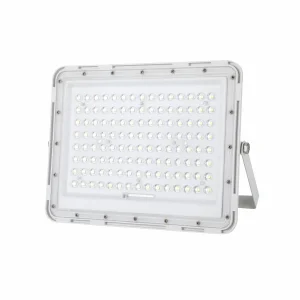
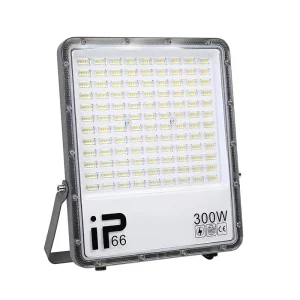
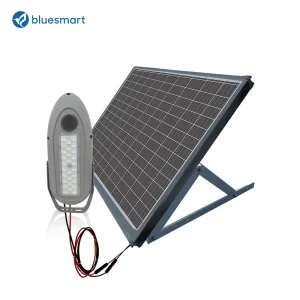
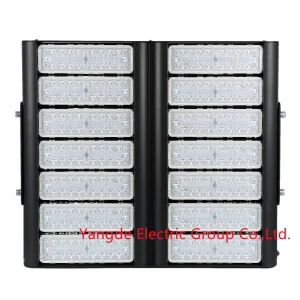
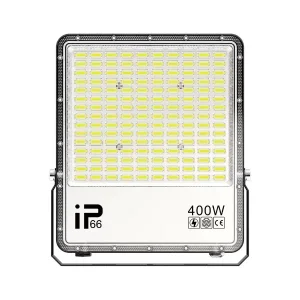
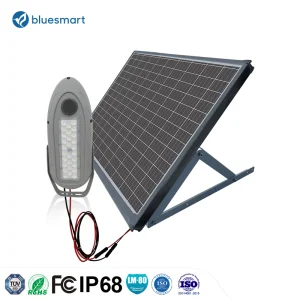
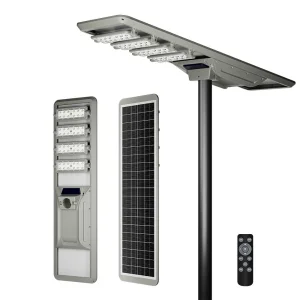
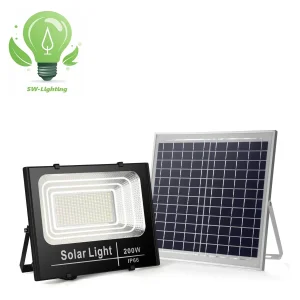
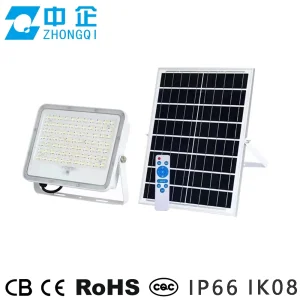
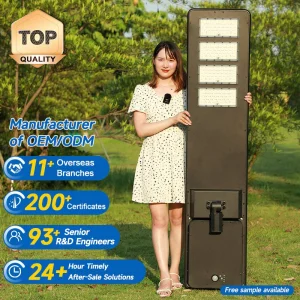
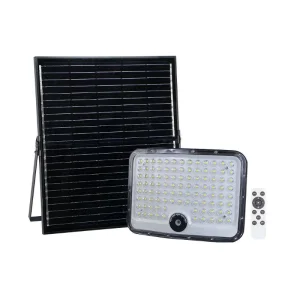
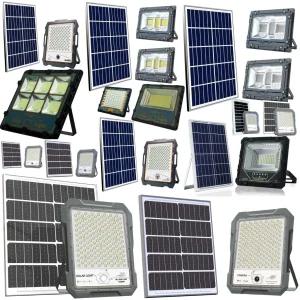
Comprehensive selection of industrial and domestic solar floodlights. Select products to review specifications.
Implement Reliable Solar Infrastructure in Namibia
Connect directly with our engineering division for custom wholesale configurations, detailed price schedules, and logistics planning through the Port of Walvis Bay.
Send Inquiry Now