 Midmo Lights
Featured Engineering Solutions for Canberra
Commercial-grade, IP67-rated smart solar illumination systems customized for ACT winter weather conditions
1. Executive Summary: Canberra’s Strategic Transition to Sustainable Lighting
As the administrative heart of the nation, the Australian Capital Territory (ACT) has pioneered aggressive climate policies, aiming for 100% renewable electricity and target zero emissions. In realizing these objectives, the transition from legacy high-intensity discharge (HID) and grid-powered streetlights to intelligent, solar-powered LED systems has emerged as a cornerstone of Canberra's sustainable urban architecture.
This whitepaper offers a comprehensive analysis of the engineering parameters, localization demands, and supply chain efficiencies required to deploy industrial-grade solar LED lighting across the ACT. In extreme weather scenarios typical of the Southern Tablelands—ranging from blistering UV exposures in summer to prolonged frosty sub-zero winter nights—generic solar lighting products fail. We explore the essential technical solutions that render our products highly resilient and compliant with the stringent Australian Standards (AS/NZS 1158).
2. Localized Context: Canberra's Commercial & Industrial Climate Requirements
Canberra presents a unique set of geographic and meteorological variables that impact outdoor electrical hardware. The region receives a high volume of annual sunshine (averaging over 7.5 hours of daily sunshine), making solar PV energy collection extremely viable. However, the seasonal temperature range is severe: summer temperatures can surge past 40°C, accelerating battery degradation, while winter temperatures frequently plunge below 0°C (with average lows of -1.4°C in July, occasionally reaching -6°C). These freezing conditions can paralyze standard Lithium-ion batteries that lack advanced charge management.
Furthermore, Canberra's urban design places a strong emphasis on preservation of natural aesthetics, dark-sky protection (to reduce artificial skyglow), and suburban wildlife conservation. Industrial developments in areas such as Fyshwick, Hume, Mitchell, and Beard require resilient illumination for safety and transport logistics, whilst keeping electrical footprints to an absolute minimum. Our tailored product designs address these variables by integrating intelligent heating circuitry in our battery systems and optimizing optics for zero skyward glare.
3. Localized Application Scenarios in Canberra
Scenario A: Public Parks and Recreation Zones
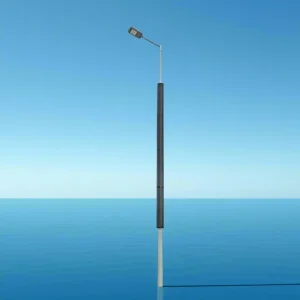
Canberra's lifestyle is characterized by active engagement with open public spaces. Shared bicycle paths and footpaths along Lake Burley Griffin, Commonwealth Park, and Belconnen require continuous illumination during twilight and winter mornings. By utilizing smart solar poles with radar motion detection, luminaires operate at 30% output during quiet hours, dynamically ramping up to 100% when cyclists or pedestrians approach. This ensures public safety while preserving night-sky integrity and dramatically extending battery autonomy.
Scenario B: Industrial Logistics and Depot Yards (Hume & Fyshwick)
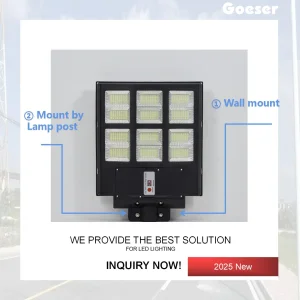
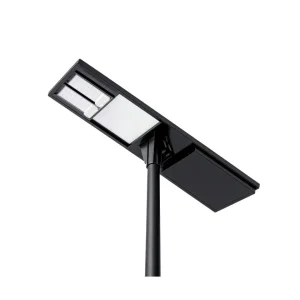
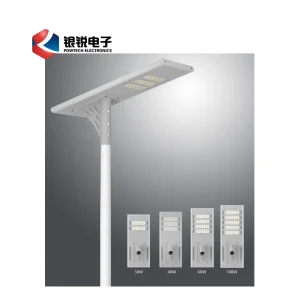
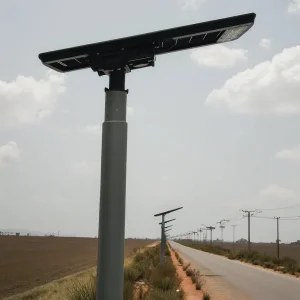
Industrial complexes require reliable overnight security lighting. Our heavy-duty 300W to 600W IP67 integrated solar lights are optimized for these areas. With rugged structural builds, they are resistant to heavy machinery vibrations, particulate matter, and regional wind gusts. The high-capacity battery assemblies guarantee uninterrupted security illumination, even through successive overcast days during winter.
Scenario C: Highway Access Corridors and Rural Link Roads
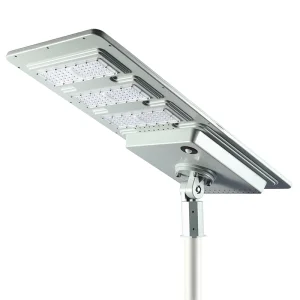
Extending grid electricity to regional access roads—such as sections of the Federal Highway, Monaro Highway, or access pathways in Gungahlin—involves prohibitive trenching, copper wiring, and landscape destruction costs. Standalone solar LED street lights act as autonomous nodes, dropping capital installation costs by up to 70% and removing ongoing utility billing entirely.
Scenario D: Conservation and Rural-Urban Fringe Zones
Near areas like Namadgi National Park or Tidbinbilla, outdoor lighting must respect local fauna. Our low-glare, color-temperature optimized fixtures (typically using warm 3000K LEDs) ensure that local nocturnal wildlife is minimally affected, preventing the disruption of migration and breeding patterns associated with bright blue-light spectrum emissions.
4. Technical Blueprint & Future Engineering Roadmap
To deliver a solar luminaire that outlasts standard industry components, our engineering research and development focuses on three primary pillars: advanced battery chemistry, Maximum Power Point Tracking (MPPT) logic, and optical engineering.
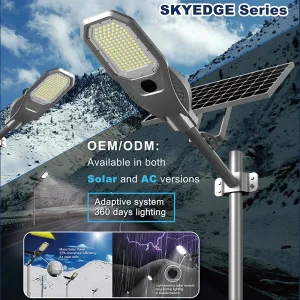
- Thermal-Resilient Battery Packs: We have transitioned entirely from standard Li-ion chemistries to Lithium Iron Phosphate (LiFePO4). These batteries are housed in sealed IP68 compartments with customized phase-change insulation and built-in heating elements that draw energy from the solar panel to warm the cells when temperatures drop below freezing. This prevents lithium plating and ensures a safe charging cycle down to -15°C.
- Next-Generation MPPT Smart Controllers: Standard PWM controllers exhibit poor efficiency in low-light environments. Our MPPT controllers monitor the V-I curve of the high-efficiency monocrystalline solar panels in real time, converting excess voltage into charging current. This delivers an overall conversion efficiency of 98.8%, facilitating reliable power generation even under thick Canberra winter cloud cover.
- Efficacy & Lens Dispersion: Utilizing premium Bridgelux and Osram LED arrays, our luminaires deliver up to 180-210 lumens per watt. High-precision PMMA lenses direct the light precisely onto the target roadway, achieving the class-leading uniformity ratios required by AS/NZS 1158 Type III distribution.
5. Supply Chain Resiliency & Manufacturing Efficiency
As a leading China-based manufacturer, our integrated production lines give Australian project developers a significant structural cost advantage. By maintaining direct vertical control over key components—from aluminum die-casting and high-purity glass fabrication to PCB assembly and automated battery packaging—we minimize intermediate markups and enforce strict quality assurance protocols.
Our state-of-the-art facilities conduct comprehensive testing: high-temperature aging chambers, salt-spray chambers for corrosion resilience, and simulated vibration rigs to mimic transport and storm environments. This level of quality control ensures that our exported products require minimal maintenance over their 10+ year operational lifespan. Shipping and logistics are streamlined directly to major Australian ports, with efficient road freight linking directly to distributors in Canberra and the broader ACT region.
6. Global Perspectives: Smart Cities and IoT Integration
On a global scale, municipal infrastructure is transitioning from passive illumination nodes to connected smart devices. Our future roadmap integrates Narrowband IoT (NB-IoT) and LoRaWAN wireless transceiver modules directly into the solar street lights. This allows city councils in Canberra or surrounding regions to monitor battery health, solar charging rates, and LED performance from a centralized dashboard. Scheduled dimming profiles can be instantly updated, and automated alerts for component replacements reduce maintenance check trips by up to 60%, drastically cutting long-term operational expenditures.
7. Technical Compliance and Support for Australian Projects
Installing street and public lighting in Australia demands strict adherence to performance and safety guidelines. We ensure all our exported products satisfy the following parameters:
- AS/NZS 1158: Compliance with Australian standards for lighting for roads and public spaces, ensuring correct luminance levels, uniformity, and control of glare.
- IP Ratings: Certified IP65, IP66, and IP67 ratings verified through independent laboratory testing to prevent dust and water ingress.
- SAA and C-Tick: All electrical components, drivers, and chargers conform to local electrical safety standards and electromagnetic compatibility (EMC) regulations.
- Warranty & Local Spares: We offer a 5-to-10 year warranty structure backed by readily available replacement component packages, ensuring long-term system continuity.
Corporate Mission & Manufacturing History
About Us: We began to develop solar lights in 2006, and never stop our step to find new tech and fashionable design of it. Due to our lasting developing and marketing promotion, solar lights have successfully replaced thousands of inefficient electrical and gas powered post or wall lights. As a leading manufacturer, supplier, and factory, we export high-durability solutions designed to thrive under local climates.
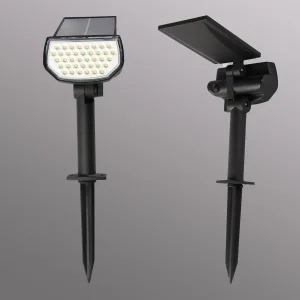
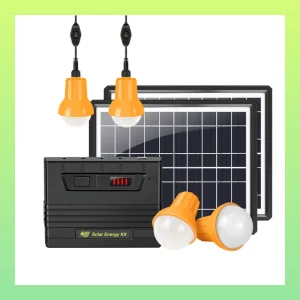
Solar lights are electric lights that are converted into solar energy by solar panels. During the day, even on a cloudy day, this solar generator (solar panel) can also collect and store solar energy. As a safe and environmentally friendly new light, solar lights have received increasing attention from global municipalities and commercial developers.
-
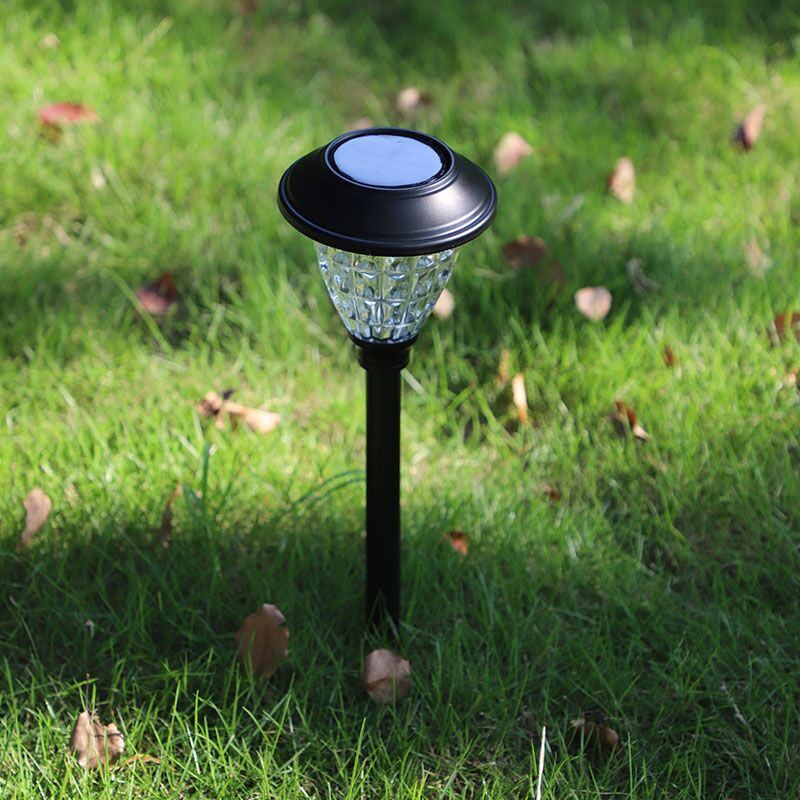
Industrial Solar LED Streetlight Assembly and Quality Testing Demonstration
Industrial & Residential Product Catalog
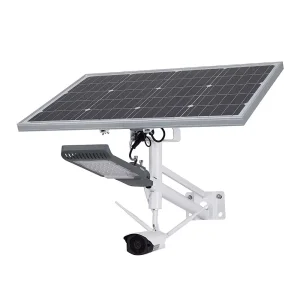
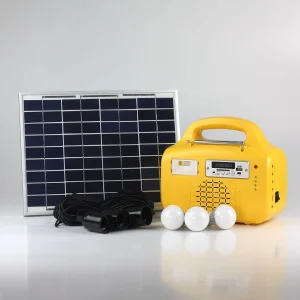
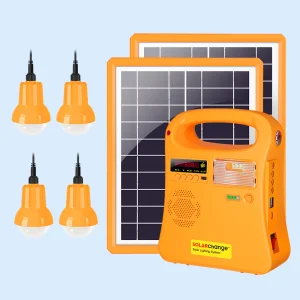
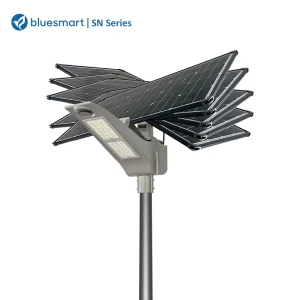
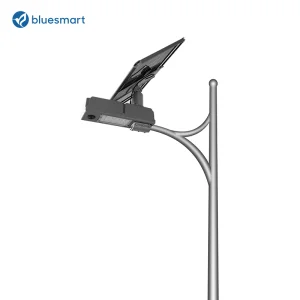
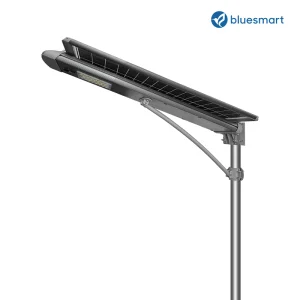
Our comprehensive line of high-durability solar lighting fixtures optimized for ACT projects
Frequently Asked Questions: Canberra Engineering Specs
Detailed, expert answers regarding the installation, operation, and maintenance of solar lighting systems in the ACT