 Midmo Lights
Premium Solar Pathway Lighting Solutions
Architectural-grade exterior luminaires optimized for European commercial developments, featuring advanced low-light monocrystalline conversion efficiencies.
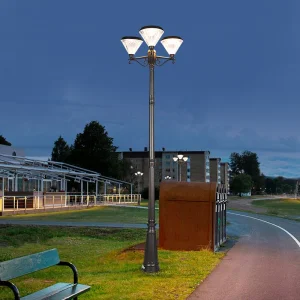
Antwerp Landscape Path Light Decorative Floor Courtyard LED Solar Light, LED Bollard Light
View Specifications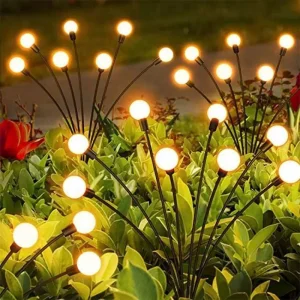
Outdoor Country Square Terrace Park Path Courtyard Decoration Swaying Waterproof LED Firefly Garden Light Lawn Decor Solar Lamp
View Specifications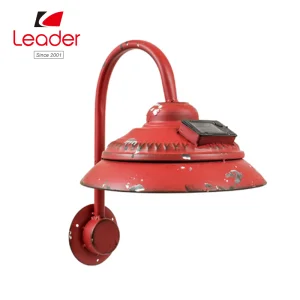
Solar Light Outdoor, Wall Mount Rustic Vintage Red Decor Barn Light, Waterproof, No Wiring, Decor Lighting for Patio, Garden, Deck, Path, Courtyard
View Specifications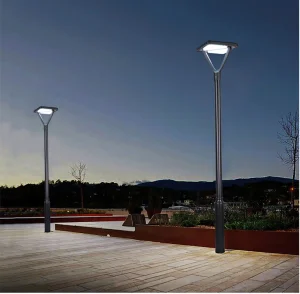
20W LED Solar Landscape Path Light Decorative Light, Floor Courtyard LED Solar Light, LED Bollard Light, Solar Road Light, 30W Solar Garden Light
View SpecificationsAntwerp's Transition to Off-Grid Infrastructure
An in-depth analysis of municipal standards, maritime logistics integration, and B2B procurement trends.
The Port of Antwerp-Bruges as a Hub for Sustainable Infrastructure
The city of Antwerp, anchored by the second-largest seaport in Europe, is undergoing an unprecedented green transformation. Under the framework of the European Green Deal and the regional Flanders Climate Plan, the city has prioritized the reduction of carbon intensity across public, industrial, and maritime logistics parks. This transition has fueled a massive spike in demand for commercial-grade solar path lights, as municipalities, warehousing giants, and real estate developers move away from carbon-heavy grid-tied lighting systems.
Sourcing directly from global solar lights manufacturers and factories allows European contractors to install high-performance lighting without the astronomical costs associated with ground trenching, cabling, and grid connections. In coastal urban ecosystems like Antwerp, where salt spray, low temperatures, and frequent cloud cover dominate the meteorological profile, standard consumer-grade lighting is inadequate. Commercial projects require industrial-grade fixtures with high IP (Ingress Protection) ratings, high-efficiency solar panels, and intelligent power management systems to ensure year-round operation.
By leveraging advanced technologies such as LiFePO4 batteries, high-output LED drivers, and smart dimming profiles, modern solar bollards and path lights deliver dusk-to-dawn illumination even during northern Europe's challenging winter months. This whitepaper serves as the definitive reference guide for engineering procurement managers, commercial architects, and urban planners seeking to optimize solar path lighting projects within the Antwerp market.
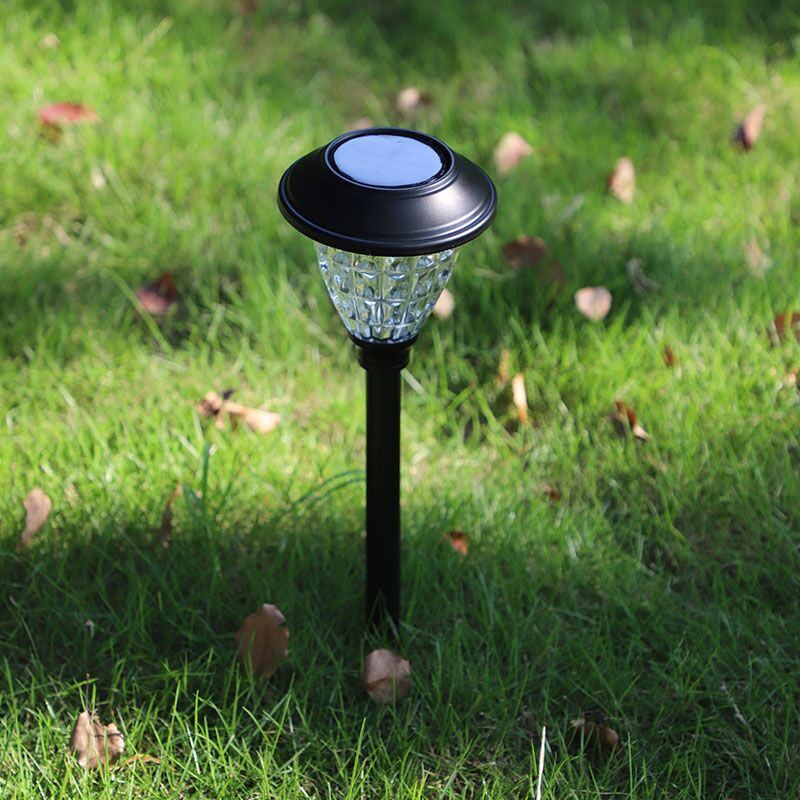
Click to watch our solar path lights engineering production and validation processes.
Technical Specification Framework for Antwerp Environments
A deep engineering dive into the components that define long-term solar lighting reliability under northern maritime conditions.
Monocrystalline PV Panel Conversion Technology
Antwerp experiences an average of only 1,500 to 1,600 sunshine hours annually, with heavy cloud cover during autumn and winter. To maintain a stable charge state, B2B procurement managers must bypass cheap polycrystalline panels and select monocrystalline solar panels. Monocrystalline silicon boasts a typical conversion efficiency rate of 21% to 23.5%, compared to the sub-17% of polycrystalline modules.
Additionally, modern commercial path lights incorporate smart microcontrollers using MPPT (Maximum Power Point Tracking) algorithms instead of basic PWM (Pulse Width Modulation) controllers. MPPT continuously monitors the panel's voltage and current output, boosting charging efficiency by up to 30% in low-light and overcast conditions.
Advanced Energy Storage: Lithium Iron Phosphate (LiFePO4)
Traditional lead-acid and Ni-MH batteries have become obsolete in commercial specifications due to low energy density, rapid degradation in low temperatures, and poor environmental profiles. The gold standard for modern commercial solar pathway lighting is the LiFePO4 (Lithium Iron Phosphate) battery.
These batteries offer over 3,000 charge-discharge cycles at 80% Depth of Discharge (DoD), representing a service life exceeding 8-10 years. Crucially for Antwerp's cold winters, LiFePO4 chemistry remains stable down to -20°C, maintaining thermal safety margins and eliminating the risk of thermal runaway associated with standard Li-cobalt batteries.
Intelligent Energy Saving & Motion Control
Constant-current consumption profiles will rapidly deplete batteries during long winter nights. Industrial-grade pathway lights are configured with adaptive power management systems. This includes PIR (Passive Infrared) motion sensors or automated step-dimming routines (e.g., 100% brightness for the first 3 hours of dark, 30% brightness during low-traffic midnight hours, scaling back to 100% on motion detection).
This dynamic dimming system ensures that the battery retains sufficient reserve power to bridge up to 3 to 5 consecutive rain-soaked or overcast days without failing, an absolute necessity for public safety on pathway projects in the Benelux region.
Durability and Material Quality
Coastal moisture, saline air from the Scheldt estuary, and industrial pollutants require robust outer casings. Procurement managers must demand marine-grade structural materials: powder-coated die-cast aluminum (ADC12), or structural stainless steel (SUS316) options. Structural polycarbonate (PC) and polymethyl methacrylate (PMMA) diffusers must be UV-stabilized to prevent yellowing, degradation, and micro-cracking over years of exposure to solar radiation.
Look for an ingress rating of at least IP65, with IP66 or IP67 being preferred for lower-lying pathway applications prone to temporary flooding or heavy mechanical cleaning washes.
Commercial Specifications & Quality Metrics
A side-by-side comparison of standard components vs. architectural industrial-grade lighting solutions.
| Feature Parameter | Consumer Grade Sourcing | Commercial Grade (Antwerp Market Standard) | Project Impact & Benefit |
|---|---|---|---|
| PV Module | Polycrystalline (15% - 17% Efficiency) | Monocrystalline Silicon (21% - 24% Efficiency) | Maximizes charge collection under low-lux winter skies. |
| Battery Chemistry | Lead-Acid or Li-ion (3.7V 18650) | LiFePO4 (3.2V or 6.4V Industrial Cells) | Extended lifespan (10+ years), thermal stability, and deep discharge resistance. |
| Ingress Protection | IP44 or IP54 | IP65 / IP66 / IP67 Fully Sealed | Total protection against salt air corrosion, dust, rain, and pressure washes. |
| Mechanical Strength | ABS Plastic or thin hollow steel | Die-Cast Aluminum ADC12 / SUS316 Steel | IK08 - IK10 impact protection rating against vandalism and storm damage. |
| Smart Control | None (Simple On/Off Switch) | MPPT Smart Controller with PIR & Step-dimming | Ensures continuous 365-night operation with up to 5 days backup storage. |
Antwerp Sourcing Blueprint: Direct-from-Factory Advantage
Why sourcing directly from global manufacturers is the most commercially viable path for Belgian developers.
Global Production Standards & Quality Control
Our solar lights factory has been at the forefront of solar engineering since 2006. Operating out of state-of-the-art Chinese production centers, we manage the entire value chain from initial photodiode engineering and circuit design to raw aluminum extrusion and battery testing. By eliminating intermediate regional wholesale distributors, developers in Antwerp can access tailored customized solutions at wholesale manufacturing prices.
Furthermore, direct-from-factory partnerships allow for custom modifications. Whether your project requires a specific paint finish code (e.g., RAL colors to match local architectural guidelines in Antwerp) or custom program controllers for specific illumination heights, direct factory engineering access ensures your technical requirements are met precisely.
Logistical Integration: Shipping directly to Port of Antwerp
Sourcing large volumes of solar lighting equipment requires efficient sea and air logistics. The proximity of the Port of Antwerp-Bruges offers Belgian B2B buyers a distinct advantage. High-volume containers (20GP, 40GP, 40HQ) are loaded directly at our manufacturing facility, cleared through customs, and shipped directly to Antwerp hubs. This direct logistics route significantly reduces land transport costs, eliminates transit delays, and reduces the carbon footprint associated with multi-stage freight transfers.
For urgent, time-sensitive projects (such as public tender completions), air shipping to Brussels Airport (BRU) or Liege Airport (LGG) is integrated into our freight network, providing a comprehensive supply chain solution from our factory floor directly to your local logistics center.
Local Regulatory & Compliance Standards
Ensuring compliance with stringent European Union and Belgian national certifications.
CE Marking & Low Voltage Directives
For import into Belgium, solar lighting systems must conform to CE directives. While solar pathway lights are low-voltage (mostly operating between 3.2V and 24V DC, removing high-risk shock hazards), their internal components—specifically battery management systems and solar controllers—must pass Electromagnetic Compatibility (EMC) testing (EN 55015 and EN 61547 standards) to prevent interference with other electronic systems.
RoHS & REACH Compliance
Environmental toxicity regulations in Belgium are among the strictest globally. Sourced products must carry RoHS (Restriction of Hazardous Substances) certifications, ensuring no heavy metals (such as lead, mercury, or cadmium) are present in the circuit boards, solder, or metal housings. Furthermore, batteries must comply with European Battery Directive 2006/66/EC, ensuring eco-friendly disposal and recycling profiles.
WEEE Directive Integration
Any company introducing electronic goods to the Belgian market must comply with the Waste Electrical and Electronic Equipment (WEEE) regulations. As a responsible global supplier, we assist our partners in documenting material specifications and tracking lifecycle indices to ensure complete compliance with national WEEE registries, avoiding administrative delays during customs clearances.
Extended B2B Solar Pathway Lighting Portfolio
Explore our complete range of certified landscape, pathway, and security solar solutions engineered for commercial, civic, and residential spaces.
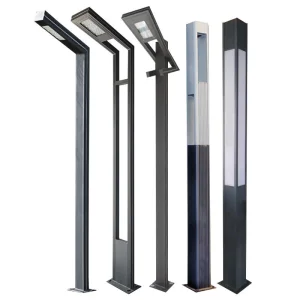
Solar Light Garden Outdoor Waterproof LED Powered Landscape Lighting for Yard Path Patio Deck Walkway
View Specifications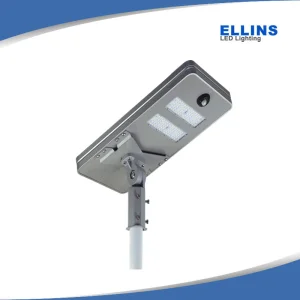
Outdoor Lighting Waterproof Landscape Lamp LED Solar Power Pillar Garden Light for Pathway Lawn Patio Yard Walkway Driveway Path Courtyard
View Specifications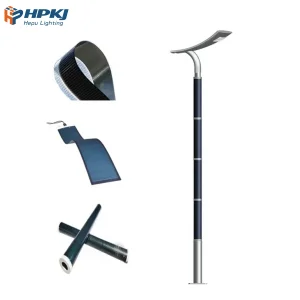
Outdoor LED Solar Garden Light for Lawn, Yard, Walkway, Solar Path
View Specifications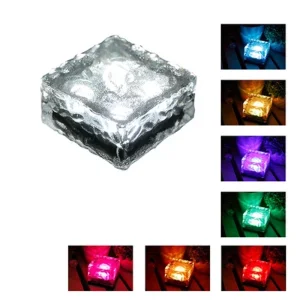
Garden Path Road Solar Underground Lamp Decoration Rocks Frosted Brick Square Light
View Specifications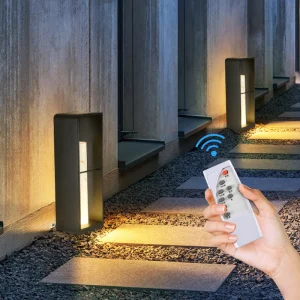
Outdoor Bollard Light LED Post Lantern Solar Exterior Lamp Landscape Path Light Garden Floor Lighting
View Specifications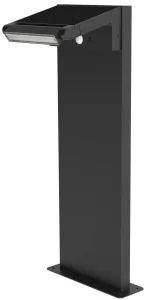
Bright Green Solar Path Lights for Sustainable Garden Lighting
View Specifications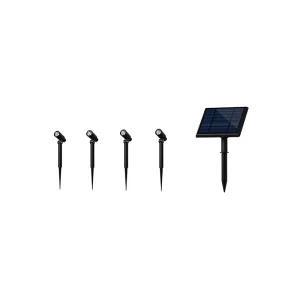
Luz Solar Decorativa Solar Light Kit Garden Path Lamps (COB) Portable Camping
View Specifications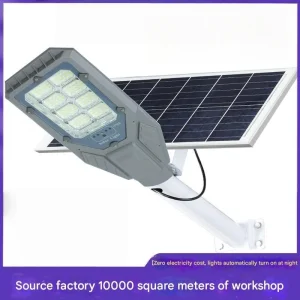
Dusk to Dawn Solar Path Lights 8 LED/Set Wireless Installation Solar Outdoor Lights
View Specifications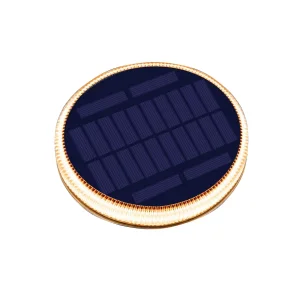
Outdoor Solar LED Garden Step Light Driveway Path Street Lamp Ground Light
View Specifications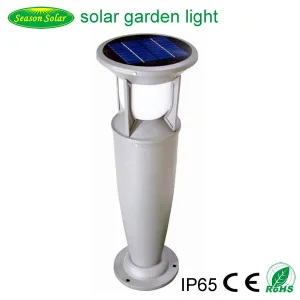
Walkway Path Decoration Lighting Bollard Garden Waterproof Outdoor 5W Solar LED Lawn Light
View Specifications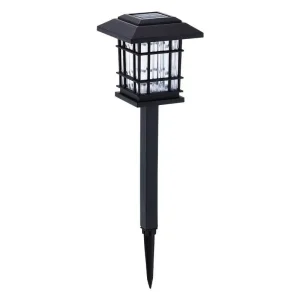
Outdoor Solar LED Ground Plug Lawn Light Waterproof Home Decoration Garden Path Simulated Flame Garden Lamp
View Specifications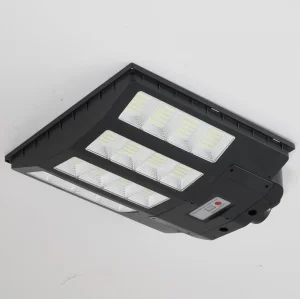
1000W High Lumen Solar Street Light Energy Saving Zero Electricity Cost Solar Powered LED Street Lamp for Street Path Driveway Yard Parking Lot Country Road
View SpecificationsExpert Procurement Q&A: B2B Solar Sourcing
Get professional answers to technical, environmental, and logistical questions about installing solar path lights in Antwerp and the surrounding regions.
Q1: Do solar path lights work reliably under Antwerp's low-sunlight winter weather?
Yes. By specifying high-efficiency monocrystalline solar panels (upwards of 22% efficiency conversion) paired with advanced MPPT controllers, modern systems can generate power even on overcast days. Furthermore, our smart power saving algorithms automatically dim the lights during low-use hours, reserving enough battery power to guarantee 3 to 5 nights of backup illumination without sunlight.
Q2: What battery technology is required to withstand freeze cycles in northern Europe?
Lithium Iron Phosphate (LiFePO4) is the industry standard for commercial installations. Unlike older lithium-ion or lead-acid chemistries, LiFePO4 maintains structural stability and performance down to -20°C. They also boast an exceptional lifespan of over 3,000 deep discharge cycles, which translates to roughly 8-10 years of maintenance-free service.
Q3: How do we protect pathway lighting from salt spray and maritime moisture corrosion?
All path lights deployed near coastlines or waterways should have a minimum IP65 rating, with IP66 or IP67 preferred. Housings must be manufactured from die-cast aluminum (ADC12) or marine-grade stainless steel with specialized anti-corrosion powder coatings. Hardware, including screws and brackets, must be made of high-grade stainless steel to prevent rust streaks and structure failure.
Q4: What certifications are mandatory for importing solar lights into Belgium?
Imported solar pathway lighting systems must be CE certified, complying with EU EMC directives (EN 55015, EN 61547). They must also possess RoHS certification, showing they are free of dangerous substances like lead or mercury, and comply with WEEE recycling registries to meet environmental end-of-life recovery mandates.
Q5: What are the typical lead times for direct container shipping to the Port of Antwerp?
For custom production runs, the standard manufacturing lead time is approximately 25 to 30 days. Ocean freight transit from Chinese manufacturing ports directly to the Port of Antwerp-Bruges takes roughly 30 to 35 days. For time-critical projects, air freight logistics via Brussels or Liege can deliver priority shipments in 5 to 7 days.
Q6: Can the lighting profiles be customized to comply with regional light pollution laws?
Absolutely. Modern municipal and commercial projects frequently mandate "Dark Sky" compliance to protect local nocturnal wildlife. We can customize the lensing angles (e.g., downward-directed lighting shields) and adjust the color temperature to warm ranges (2700K - 3000K), reducing blue light emissions and ensuring compliance with local environmental ordinances.
Ready to Optimize Your Commercial Sourcing Project?
Get in touch with our engineering team today to receive detailed photometrics, customized price quotes, and comprehensive compliance documentation tailored for your Antwerp project.
Send Inquiry Now